
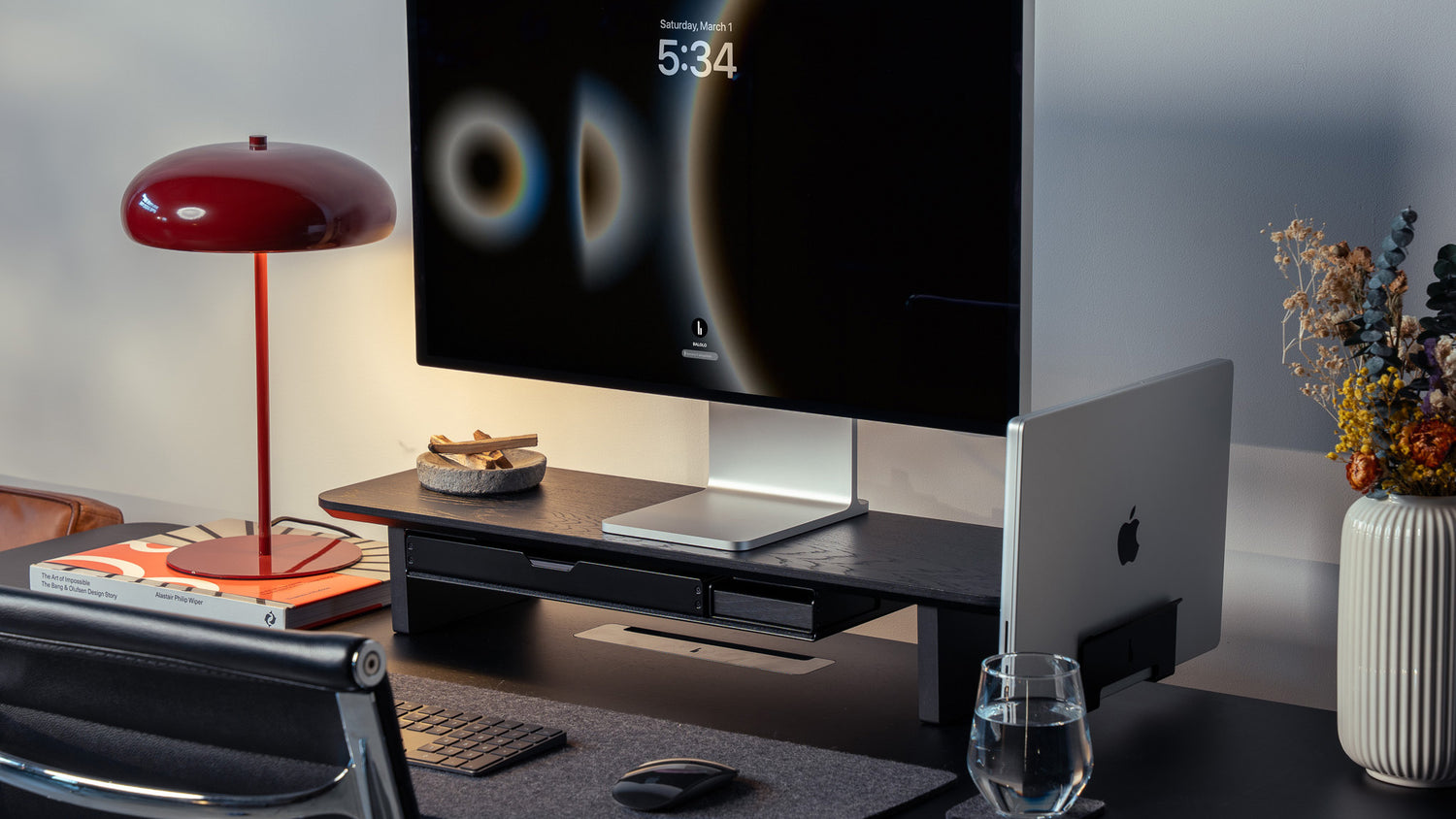
A great desk setup for creatives should do two things at once. It should make ideas easier to catch and it should remove the friction that kills momentum.
That is the real goal. Not just a nice-looking desk. Not just more gear. A workspace that helps you move from thinking to making with less clutter, fewer distractions, and more clarity.
At BALOLO, we believe a creative workspace should feel calm, functional, and visually intentional. The best setups are not crowded. They are edited. Every item has a purpose. Every surface supports flow.

Why Creatives Need a Different Kind of Desk Setup
Creative work is rarely linear.
Some days you are sketching. Some days you are editing. Some days you are switching between reference material, calls, notes, and hands-on work. That means a creative desk setup has to support both structure and flexibility.
A standard office desk often focuses on one thing: getting work done. A creative desk has to do more. It has to support:
- deep focus
- fast access to tools
- visual inspiration
- clean transitions between tasks
- enough empty space to think
That balance matters. Too minimal and the space can feel sterile. Too full and it becomes noisy. The sweet spot is a setup that feels inspiring without becoming distracting.
Start with the Function, Not the Aesthetic
A lot of people begin with the look of their setup. That makes sense. Visual style matters. But the best desk setup ideas start with function.
Before you choose accessories, ask yourself:
What kind of creative work do you do most?
A designer may need fast access to a tablet, reference images, and color tools.
A writer may need a cleaner surface, a comfortable keyboard, and fewer visual distractions.
A video editor may need screen space, cable control, and a more technical layout.
What do you use every single day?
Only daily-use items deserve prime desk space. Everything else should be stored, mounted, or moved out of the way.
What breaks your focus most often?
For some people, it is tangled cables. For others, it is lack of space. And for many creatives, it is visual clutter.
When you answer those questions first, your setup becomes more than decoration. It becomes infrastructure.
Create Zones on Your Desk
One of the easiest ways to improve a desk workspace setup is to divide it into clear zones. This instantly makes the space feel more organized and easier to use.
1. The Focus Zone
This is the center of the setup. Usually it includes:
- monitor or laptop
- keyboard
- mouse or trackpad
- primary notebook
This area should stay as clean as possible.
2. The Tool Zone
This is where your most-used creative tools live. Depending on your work, that could be:
- stylus
- camera accessories
- audio gear
- external drives
- reference images
- charging dock
Keep this zone close, but not inside the main visual field.
3. The Inspiration Zone
This can include:
- one art book
- one print
- a material sample
- a small object that reflects your taste
- a plant
The key word is one. Or a few. Not twenty.
4. The Hidden Zone
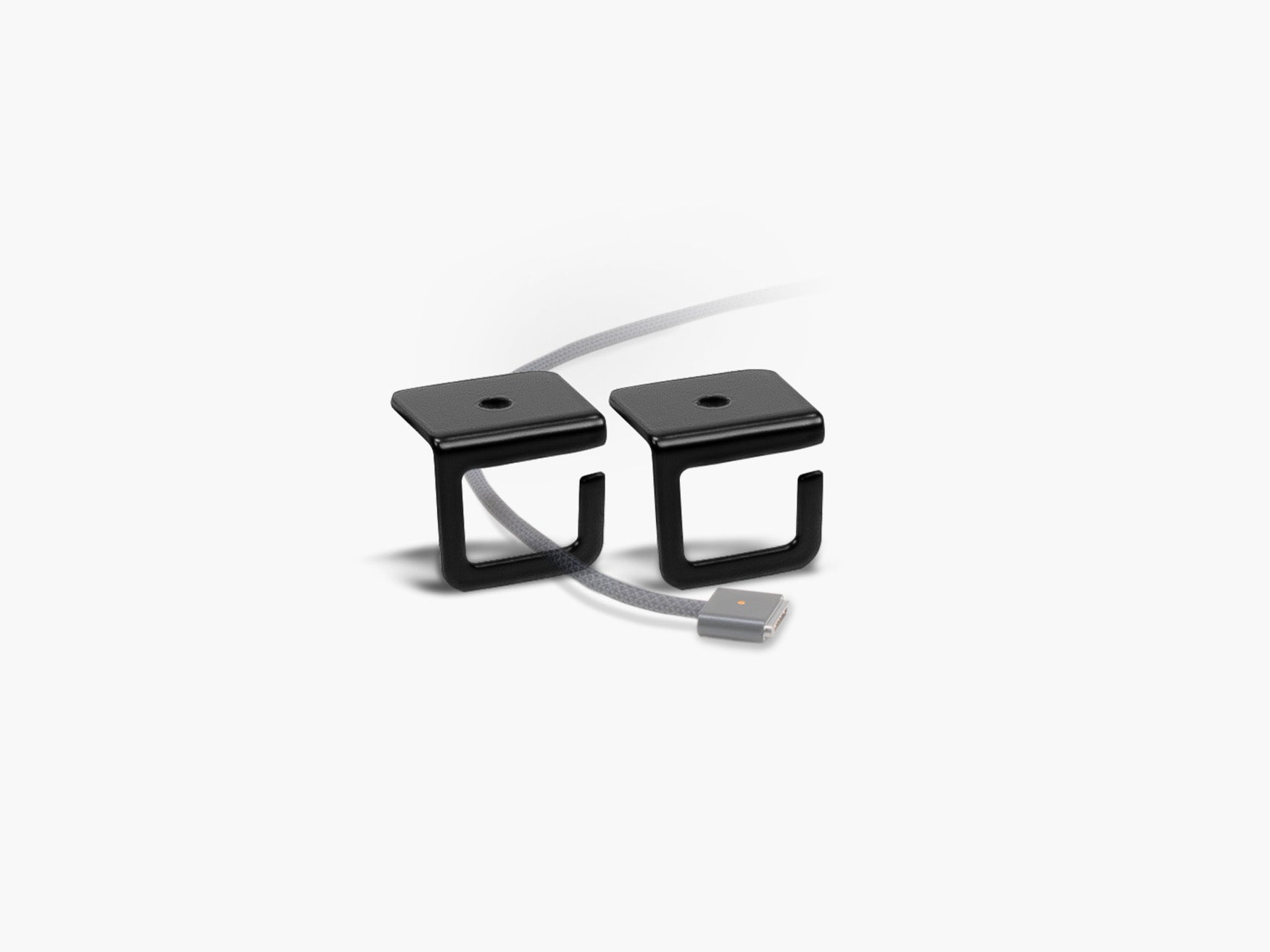
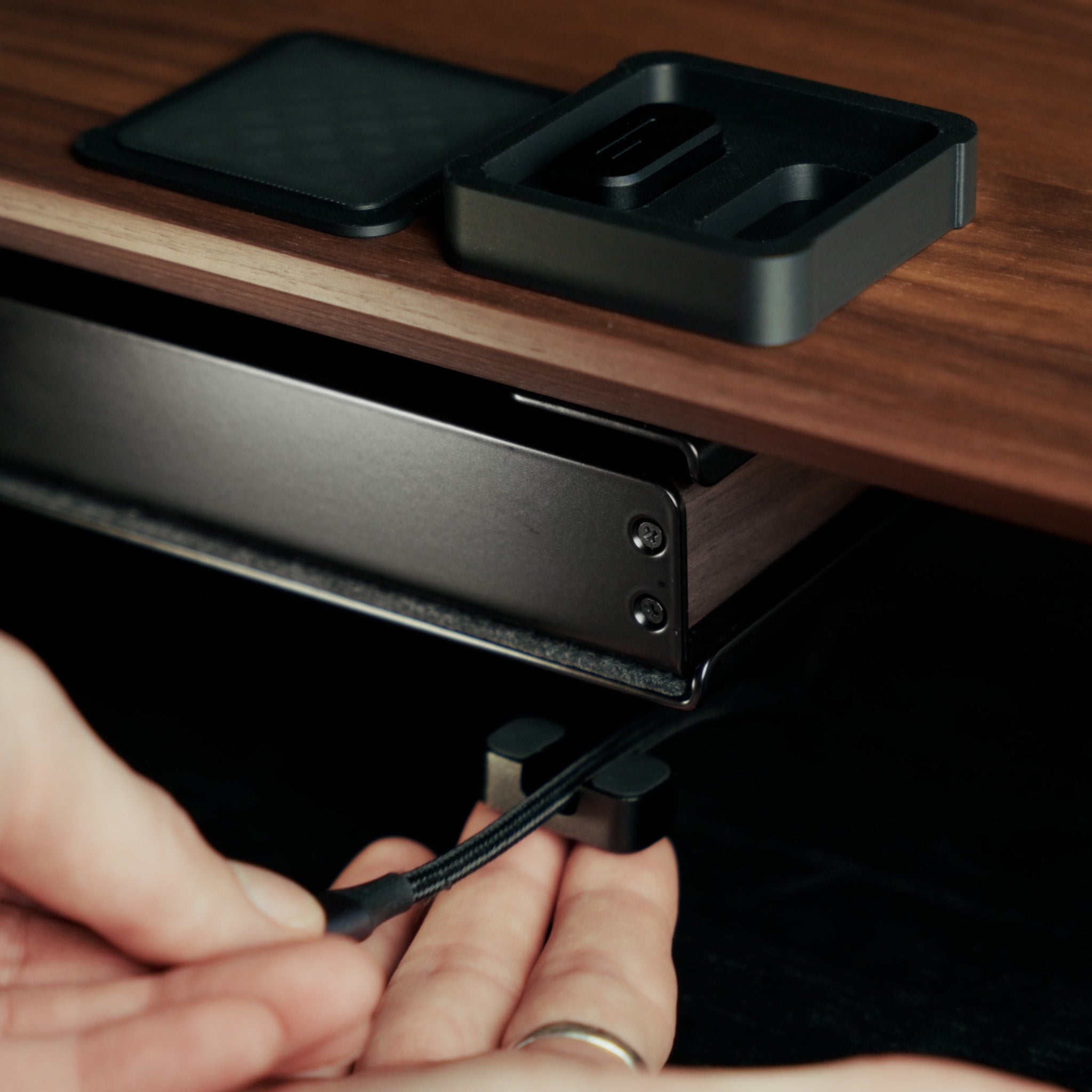
This is where the magic happens. Cables, chargers, adapters, and secondary tools should be routed below the visual line whenever possible.
A desk feels creative when it looks open. Hidden structure is what makes that possible.

Raise the Screen, Free the Surface
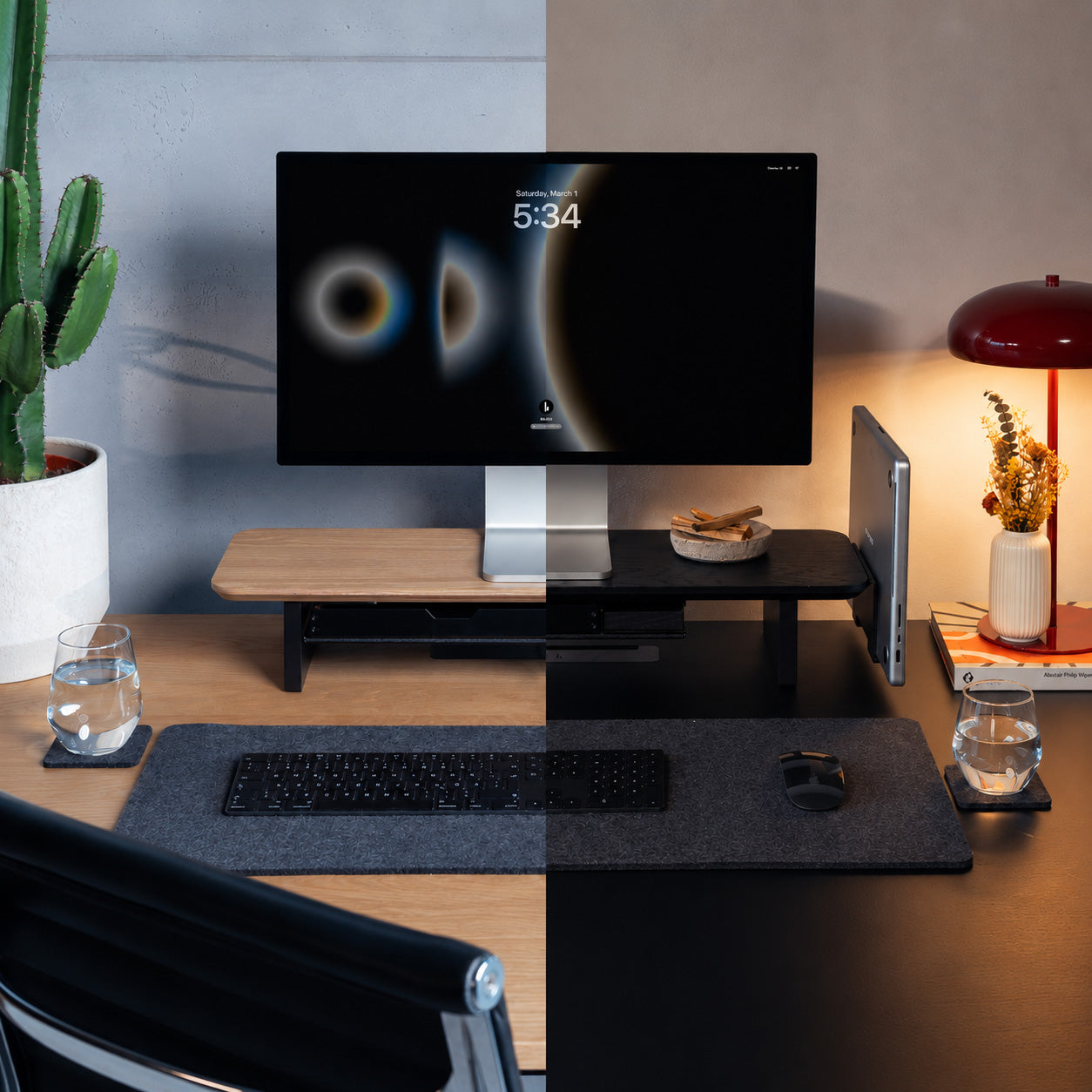
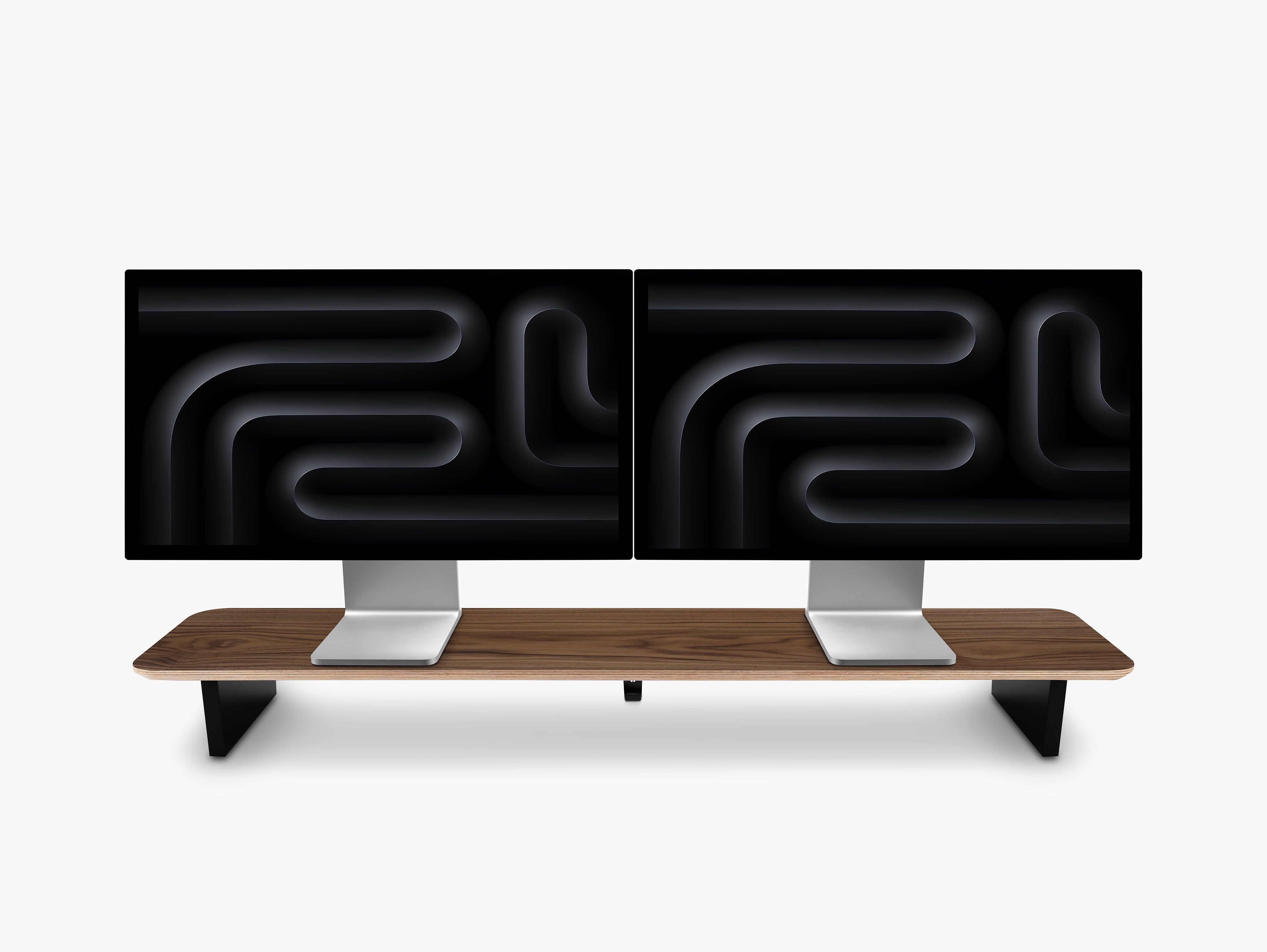
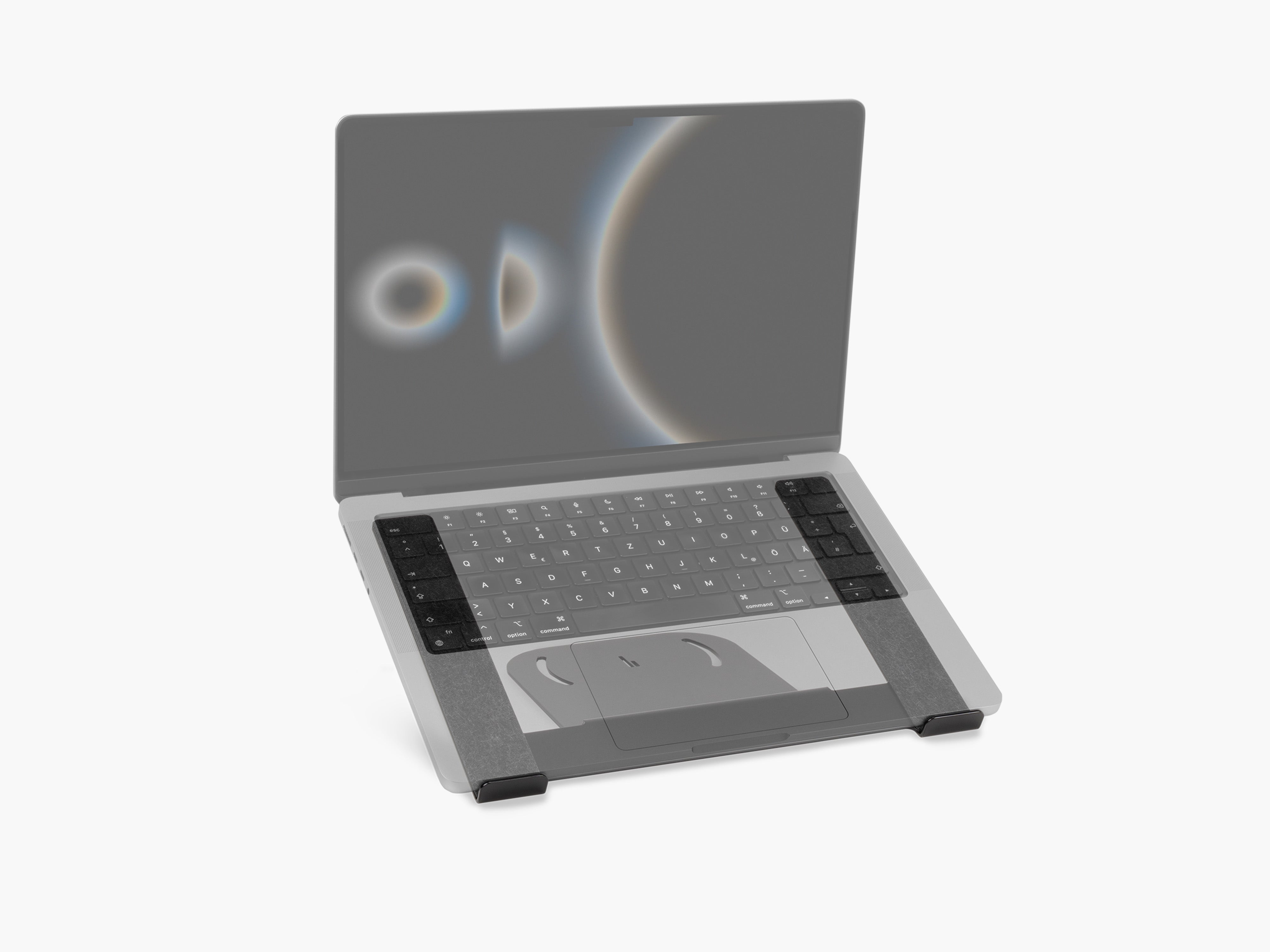
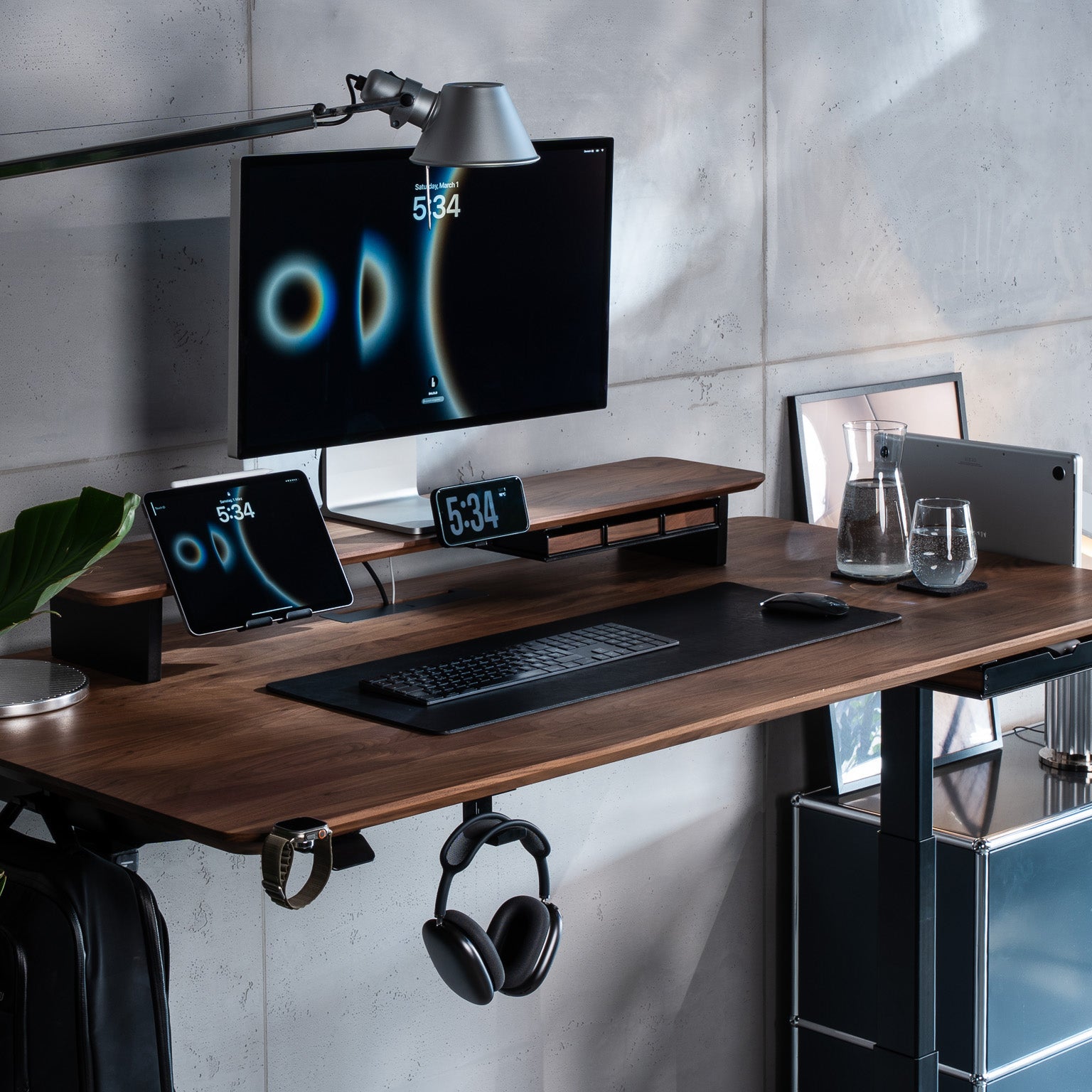
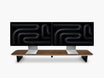
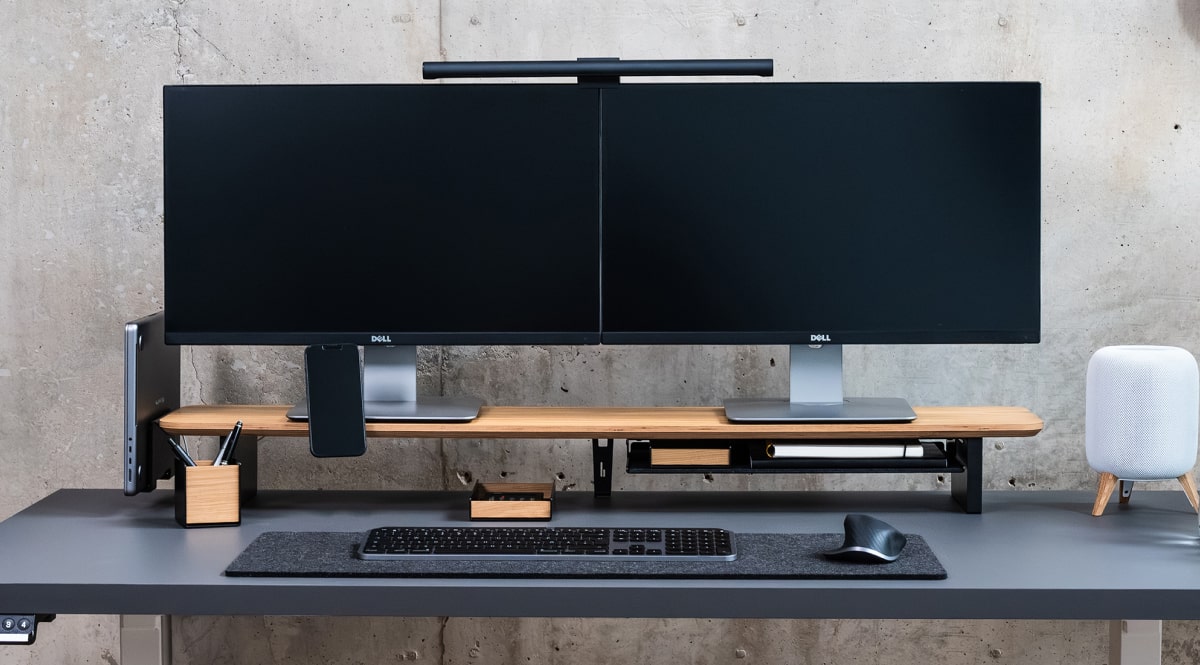
For many creatives, screen placement changes everything. When the display sits too low, the whole setup feels compressed. Your posture gets worse. Your desk surface shrinks. And the workspace starts to feel crowded even when it is not.
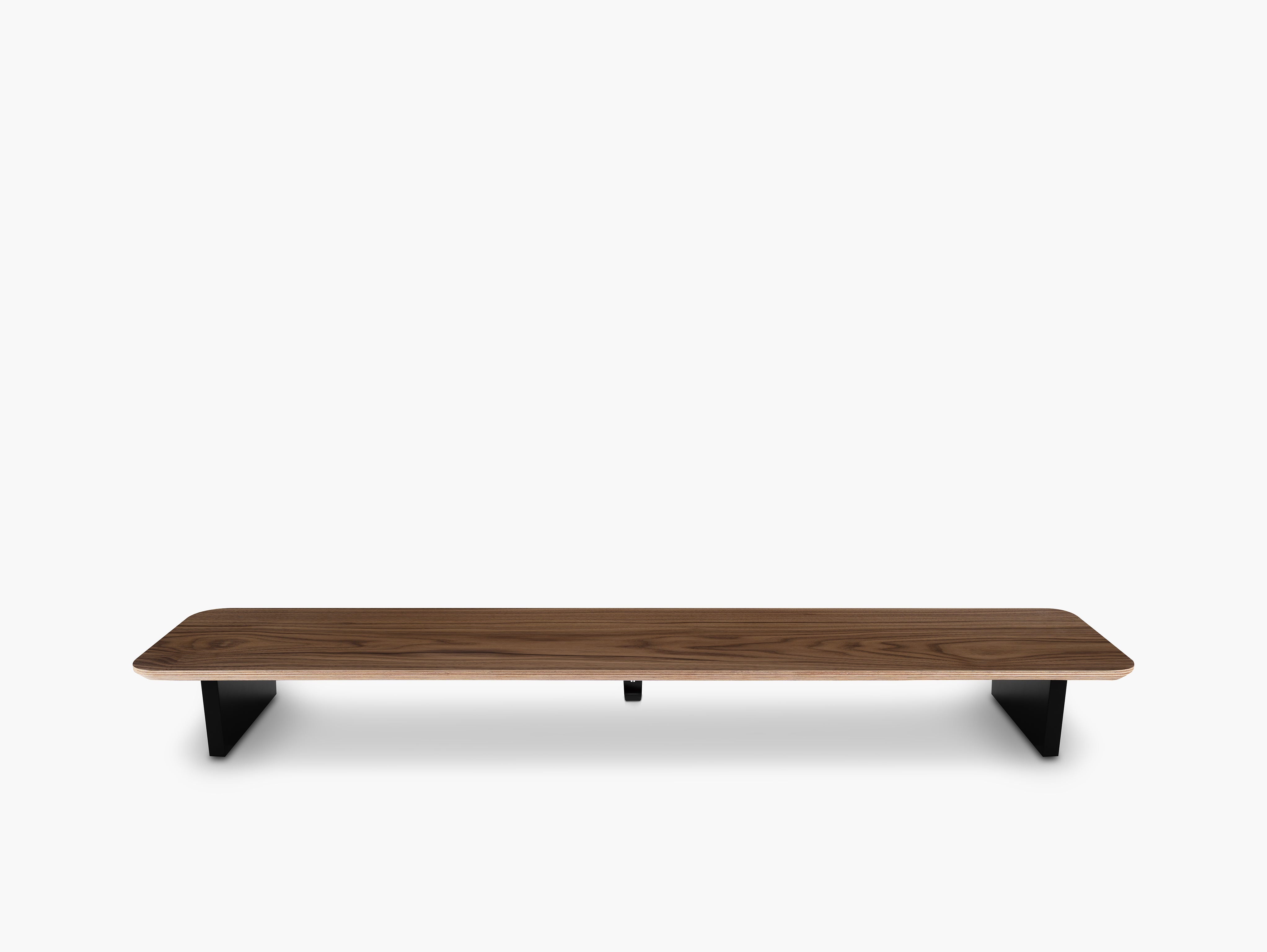
A monitor stand or monitor shelf can help create:
- a clearer visual hierarchy
- more usable space underneath
- better posture
- a more refined desk layout
This is especially useful in a minimal desk setup because vertical layering creates order without adding visual chaos.
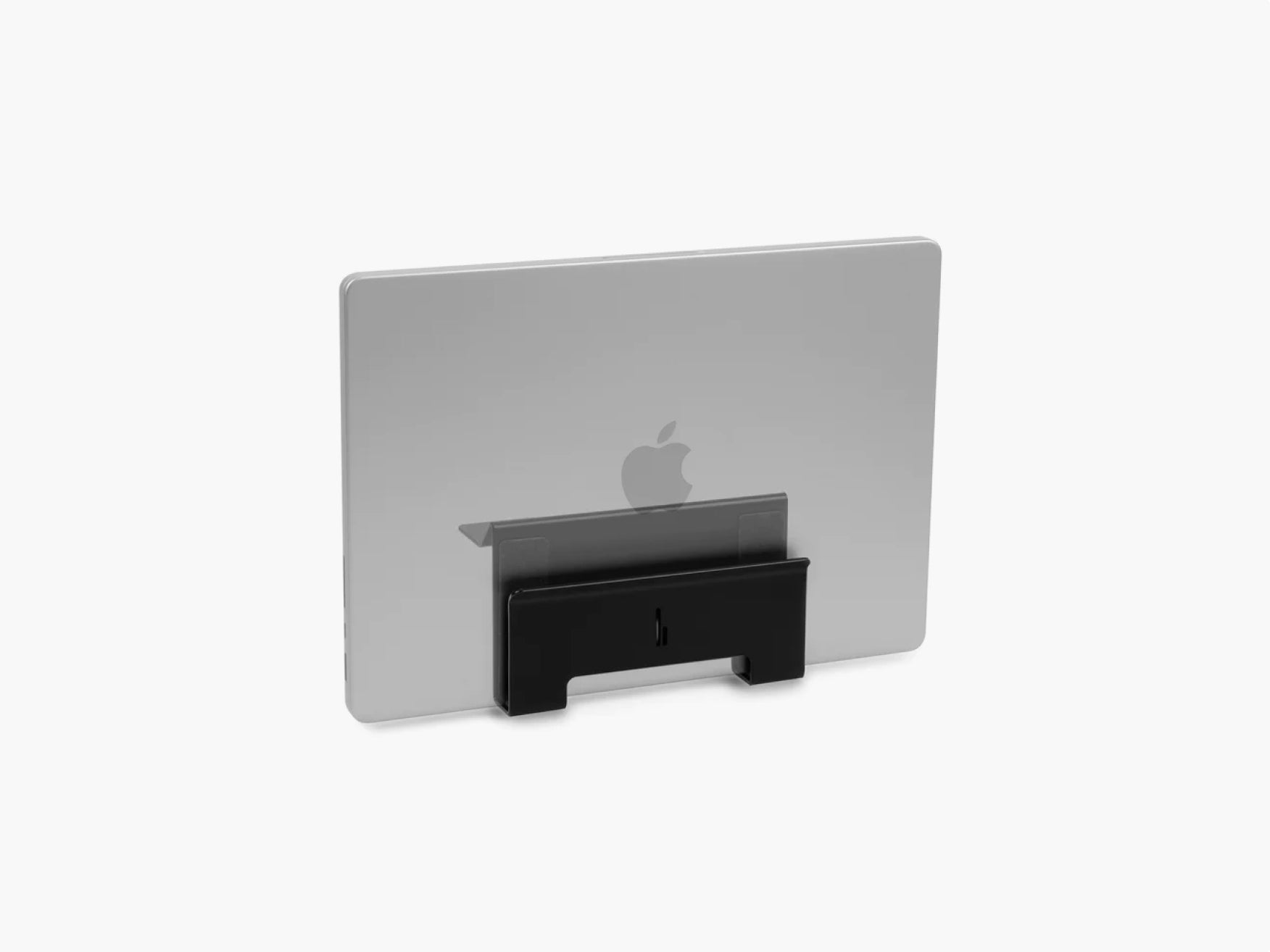
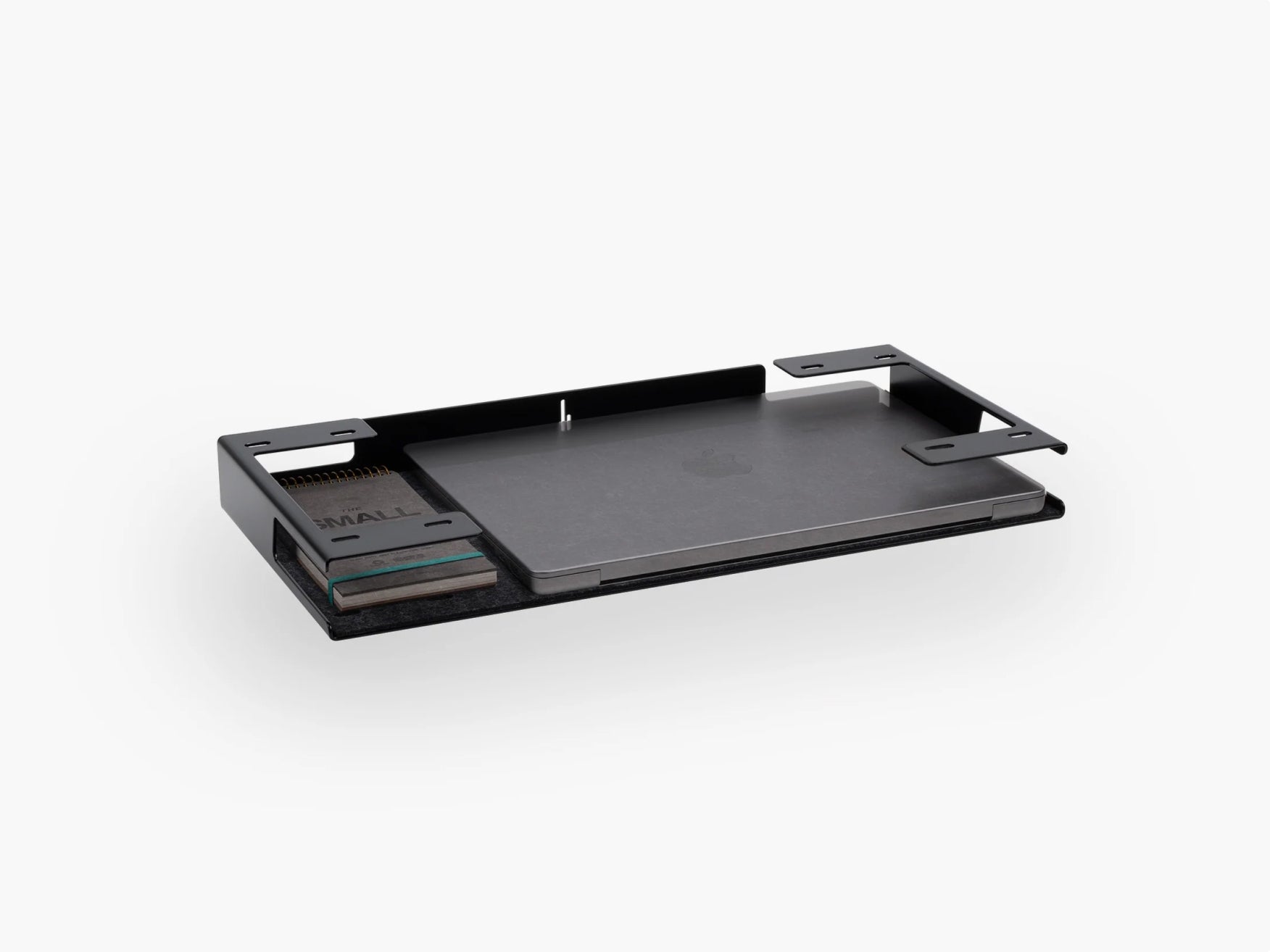
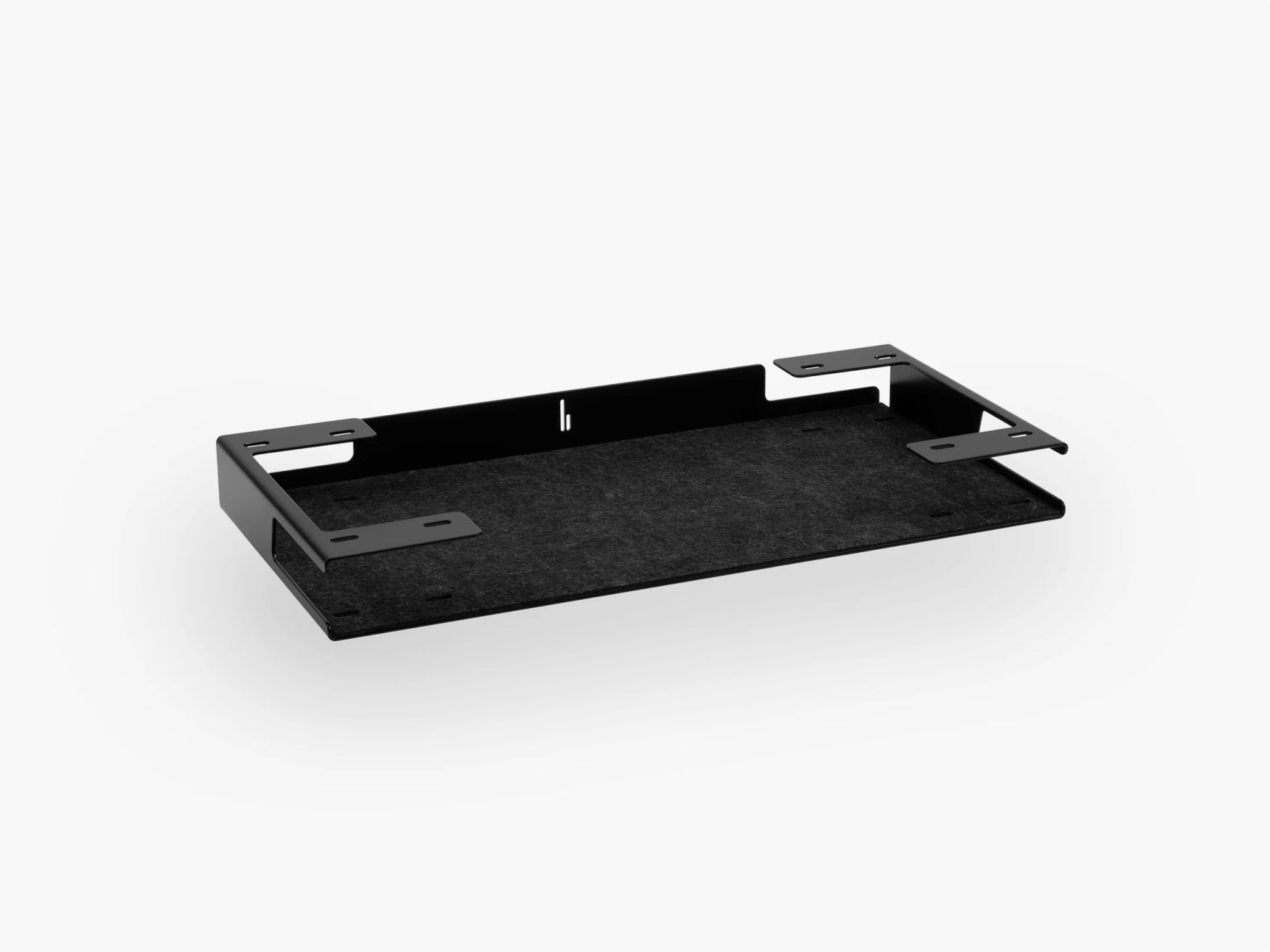
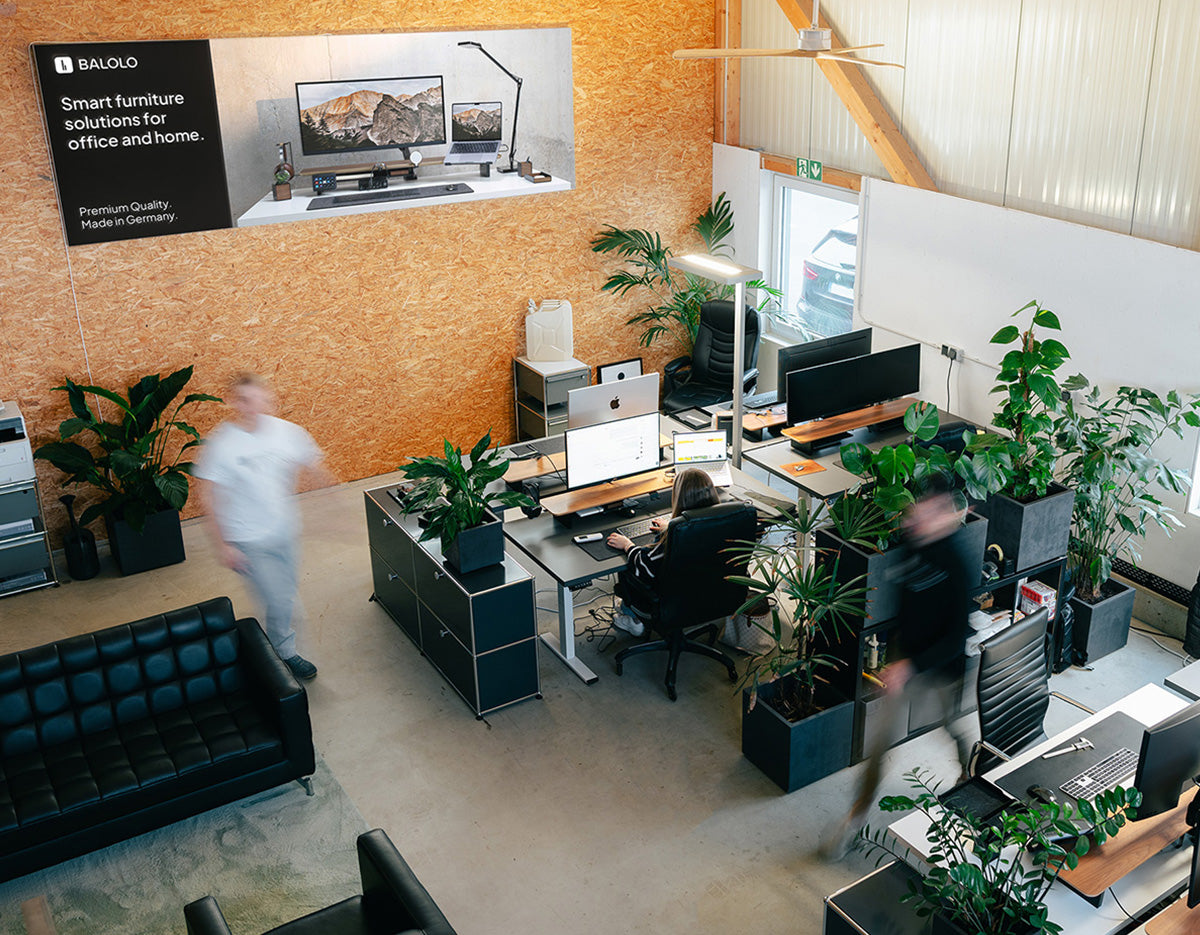
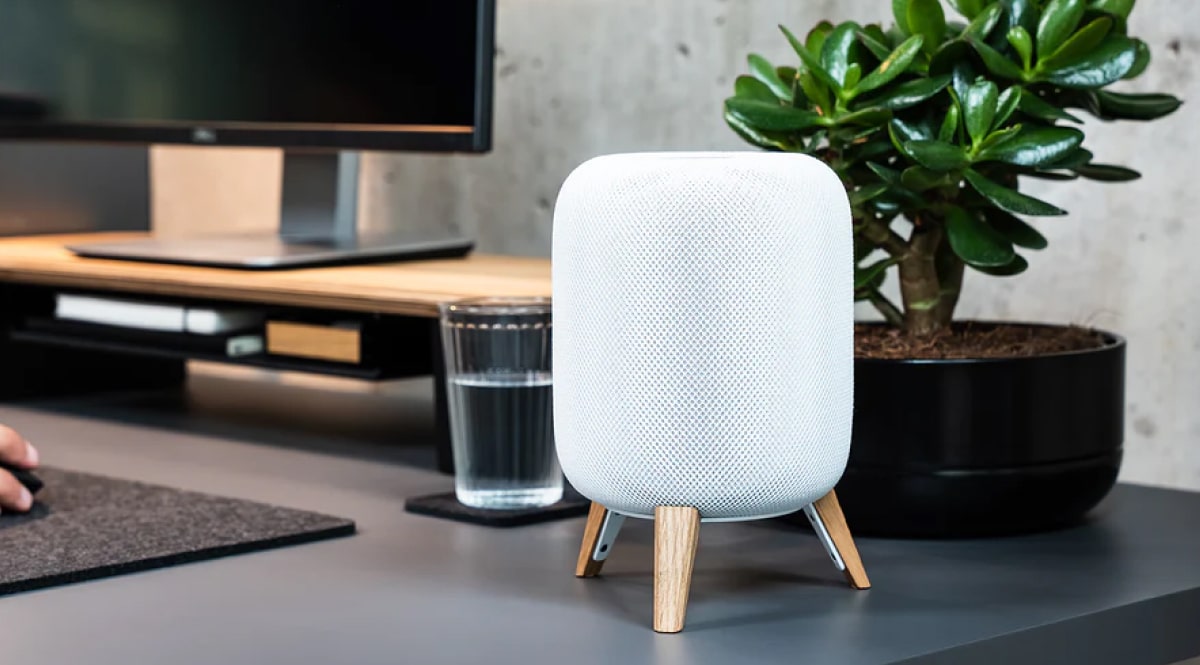
At BALOLO, this is exactly how we think about workspace design. The desk should not feel overloaded. It should feel structured, elevated, and ready to adapt to the way you work. Our product ecosystem is built around the Setup Cockpit and matching accessories for cable management, holders, docks, pads, and organization — all crafted in Germany.
Choose Fewer, Better Desk Accessories
Creatives often fall into the same trap: collecting too many cool things. The result is a desk full of objects that each look interesting but together create friction.
The best desk accessories are the ones that solve real problems. They should either save space, reduce clutter, or improve workflow.
Useful examples include:
- a monitor stand
- a dock or charging solution
- a cable organizer
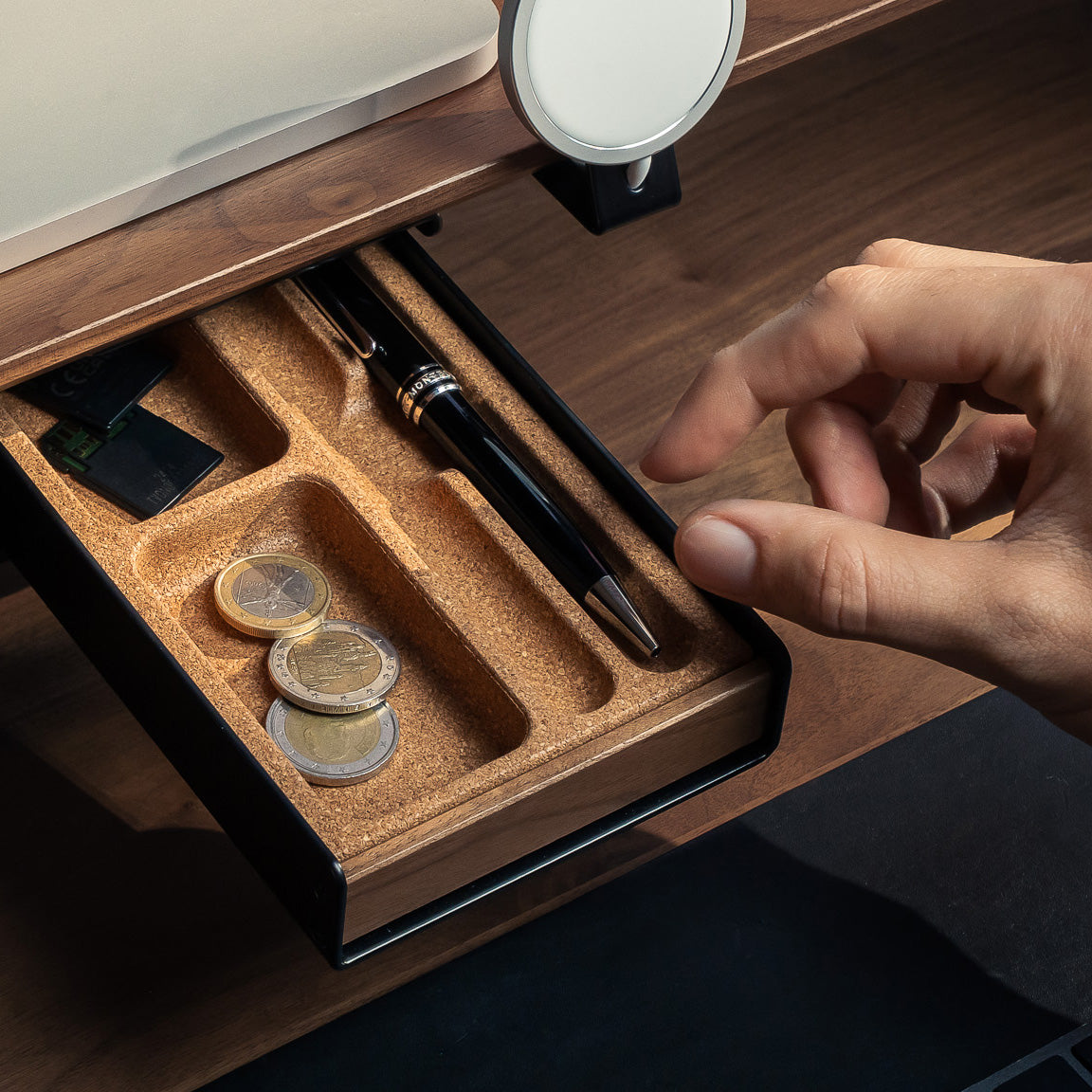
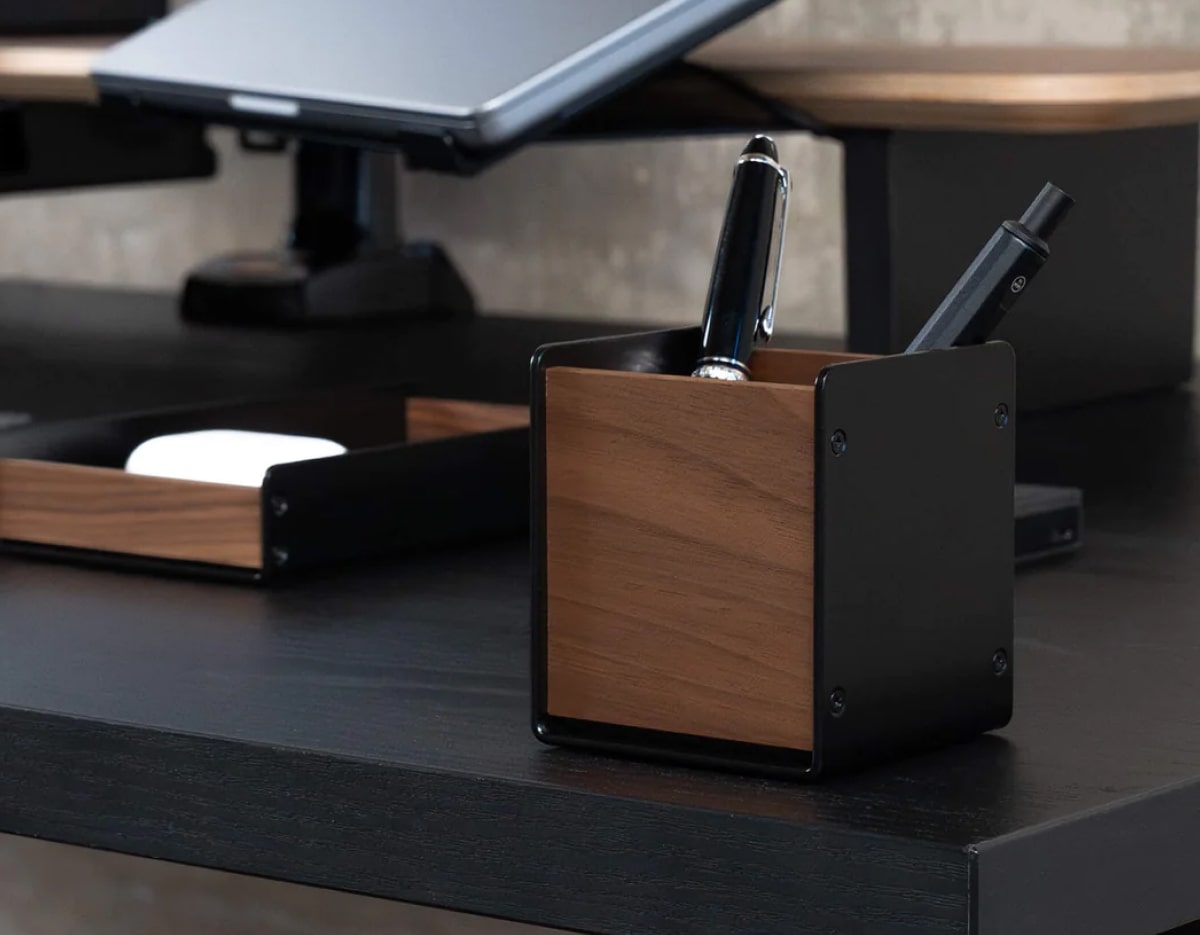
- a tray for small tools
- a desk pad
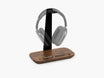
- a headphone or device holder
Good accessories work quietly in the background. They do not compete for attention. They support your routine.
That is the difference between an aesthetic setup and a professional one. A professional creative setup still looks beautiful, but every piece earns its place.
Keep Cable Management Simple
Nothing kills a clean creative workspace faster than visible cable chaos. Even a beautiful desk can look unfinished when wires run across the surface or hang behind the monitor.
Good cable management does three important things:
- it makes the setup look calmer
- it makes cleaning easier
- it reduces the mental noise of unfinished details
You do not need a complicated system. Start with the basics:
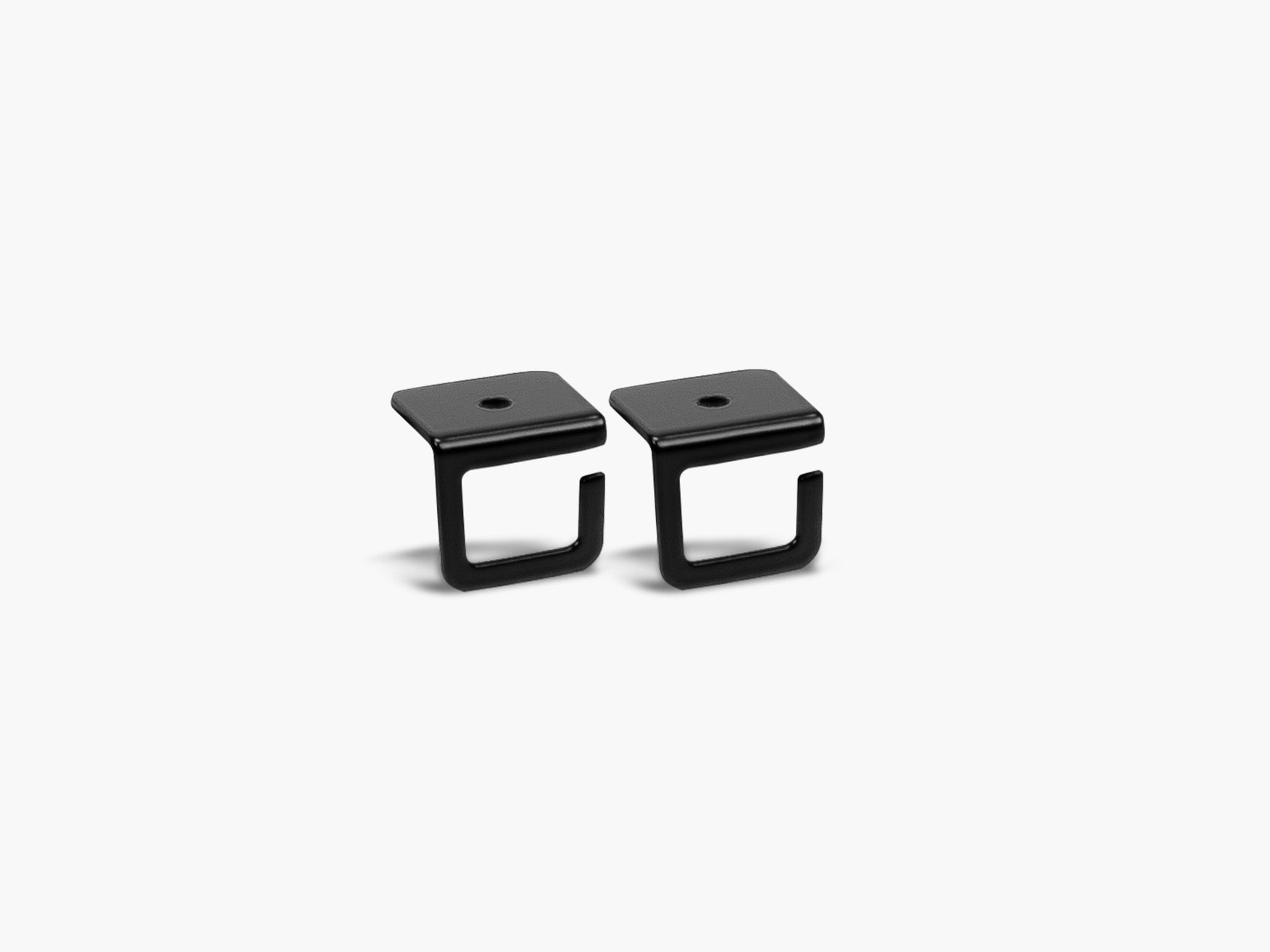
Use cable routing under the desk
Move power strips, excess cable length, and chargers out of sight.
Group cables by purpose
Keep display cables together. Power cables together. Charging cables together. For a more detailed guide, read our article Cable Management Made Easy.
Leave only what you need visible
One charging cable on the desk may be practical. Five are not.
Make adjustments easy
A good cable setup should still let you swap devices without rebuilding the whole workspace. For creatives who work with cameras, tablets, drives, microphones, and lights, flexibility matters.
Design for Visual Calm
A desk setup design should help the brain settle. That does not mean the space has to be empty. It means the visual language should feel consistent.
A few simple ways to create that:
- repeat materials
- limit color accents
- use matching finishes
- choose one visual focal point
- keep small objects grouped, not scattered
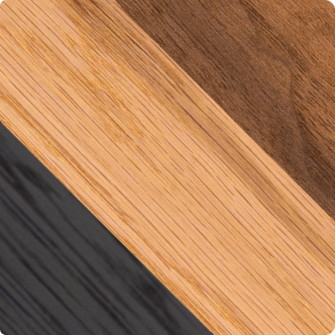
Wood, matte black elements, leather, neutral textiles, and soft lighting often work well because they feel warm without becoming busy.
For creatives, visual calm is powerful. The desk becomes a place where ideas can stand out because the background is not fighting for attention.

Add Inspiration, But Edit It Hard
Creative people need stimulation. But inspiration works better when it is curated.
A few strong pieces are more effective than a wall of random inputs. Try:
- one framed print
- one object with personal meaning
- one plant
- one book or magazine in current rotation
Then stop there. The goal is not to decorate every corner. It is to create a mood that supports your work.
Lighting Matters More Than Most People Think
Lighting shapes the entire mood of a workspace. Bad lighting makes the desk feel flat, tiring, and temporary. Good lighting makes it feel intentional.
For a strong workspace setup, use layers:
Natural Light
If possible, place the desk near a window. Side light usually works best because it keeps glare under control.
Task Light
A focused lamp helps during sketching, writing, editing, and late work sessions.
Ambient Light
Warm secondary light softens the room and makes the desk feel more inviting.
This is especially important for creators who spend long hours at the desk. A workspace should support energy, not drain it.
Small Desk? You Can Still Build a Great Setup
A small desk is not a disadvantage if the layout is smart. In fact, small desks often force better decisions.
If you are working with limited space, focus on:
- vertical storage instead of surface clutter
- one screen that is used well, not multiple unnecessary ones
- one tray for loose items
- one strong lighting source
- under-desk or hidden cable management
- accessories that combine multiple functions
A small desk setup for creatives should feel intentional, not compromised. For more ideas on getting the most out of limited space, see our article How to Create More Space on Your Desk Without Getting a Bigger Desk.
A Simple Creative Desk Setup Checklist
| Element | Why It Matters |
| Clear main work area | Gives you room to think and create |
| Raised screen position | Improves posture and opens up space |
| Reliable lighting | Supports focus and reduces fatigue |
| Cable management | Makes the setup feel calm and finished |
| Small organization system | Prevents visual clutter |
| Limited decor | Adds personality without distraction |
| Easy-access daily tools | Speeds up workflow |
| One visual style | Makes the desk feel intentional |
If your setup covers these eight points, you are already ahead of most desks.
Common Mistakes Creatives Make
Too many accessories
A desk is not better because it has more objects on it.
No system for loose items
Pens, drives, adapters, SD cards, and notes pile up fast when they do not have a home.
Cables are treated as an afterthought
Cable management should be planned from the start, not added later.
The setup looks good, but does not match the workflow
A creative desk has to support the work you actually do, not just the content you want to post about it.
Every inch is decorated
Empty space is not wasted space. It is usable space.
The Best Desk Setup for Creatives Is Edited, Not Overloaded
The strongest creative workspaces are not built by adding more and more. They are built by removing what does not help.
A great desk setup for creatives feels focused, flexible, and visually quiet. It supports your tools without burying them. It gives inspiration a place, but not too much of it. And it turns the desk into something more than a surface. It becomes a system that supports the way you think.
At BALOLO, that is the kind of workspace we care about most. One that feels premium, calm, and purpose-built for modern creative work.
FAQ
What is the ideal desk setup for creatives?
The ideal desk setup for creatives combines clean organization, easy access to essential tools, good lighting, and enough open space to think and make. It should feel inspiring, but never cluttered.
How do I make my desk setup look more creative?
Start with materials, lighting, and one or two curated decorative elements. Then remove anything that adds noise. A creative setup usually looks better when it is more edited.
What should every creative desk have?
Most creative desks benefit from a raised screen position, reliable lighting, cable management, a small organization system, and a limited number of accessories that support real daily tasks.
Is a minimal desk setup good for creatives?
Yes, as long as minimal does not mean empty. A minimal setup can help creatives focus because it reduces distractions and makes important tools easier to find.
How do I organize a desk when I use many tools?
Create zones, keep daily tools close, store secondary tools out of sight, and use cable management from the beginning. The goal is fast access without visual overload.