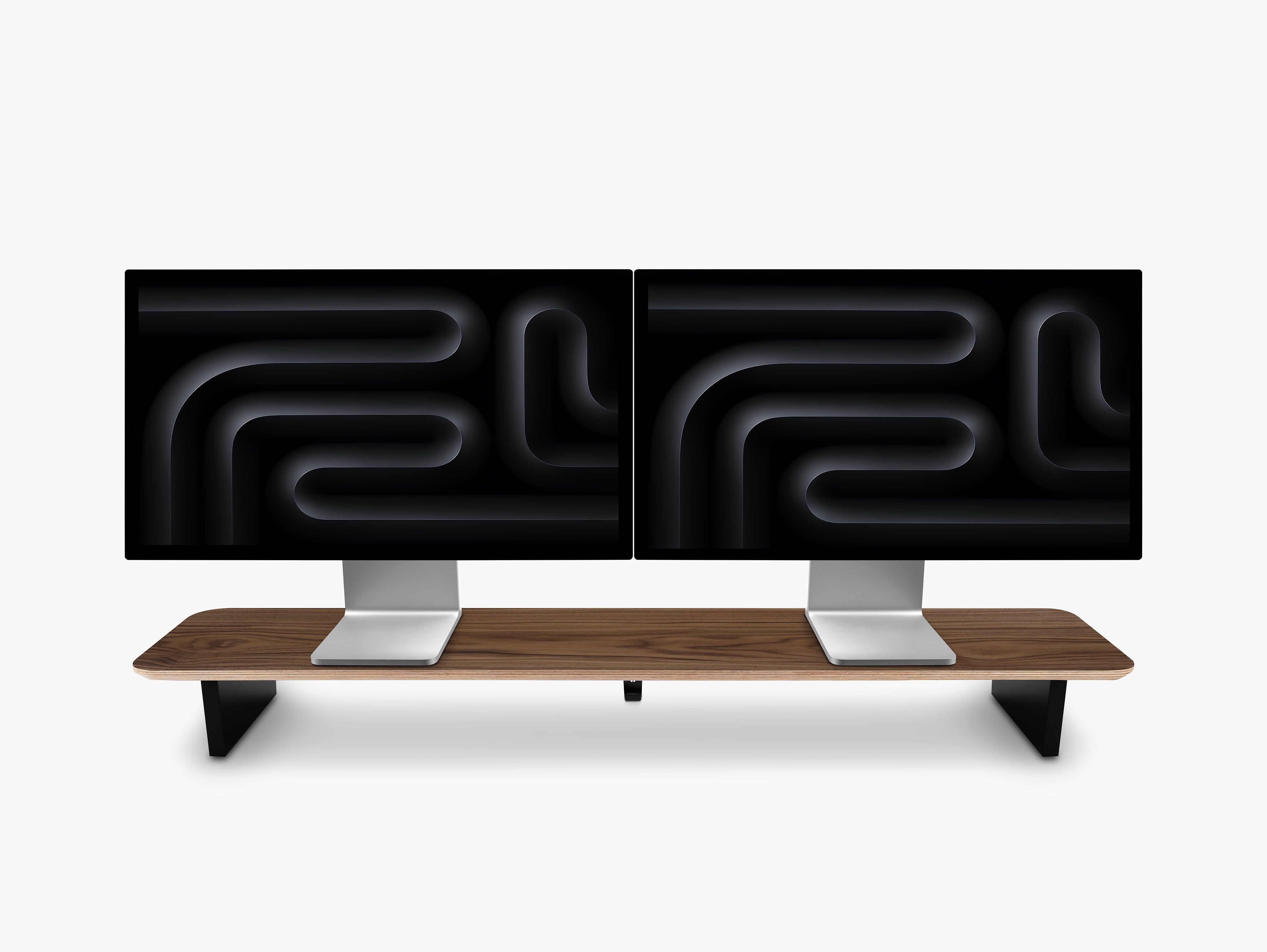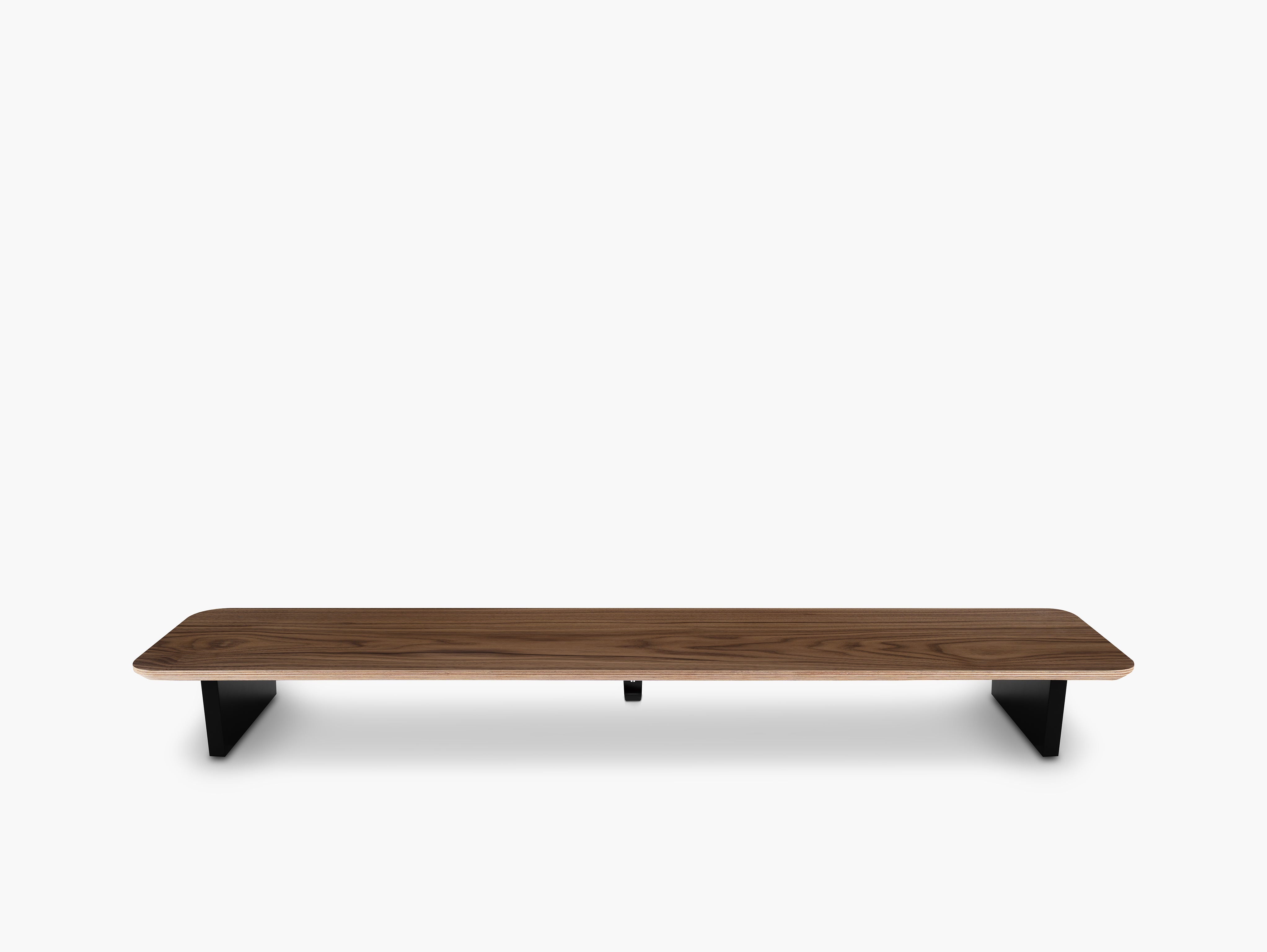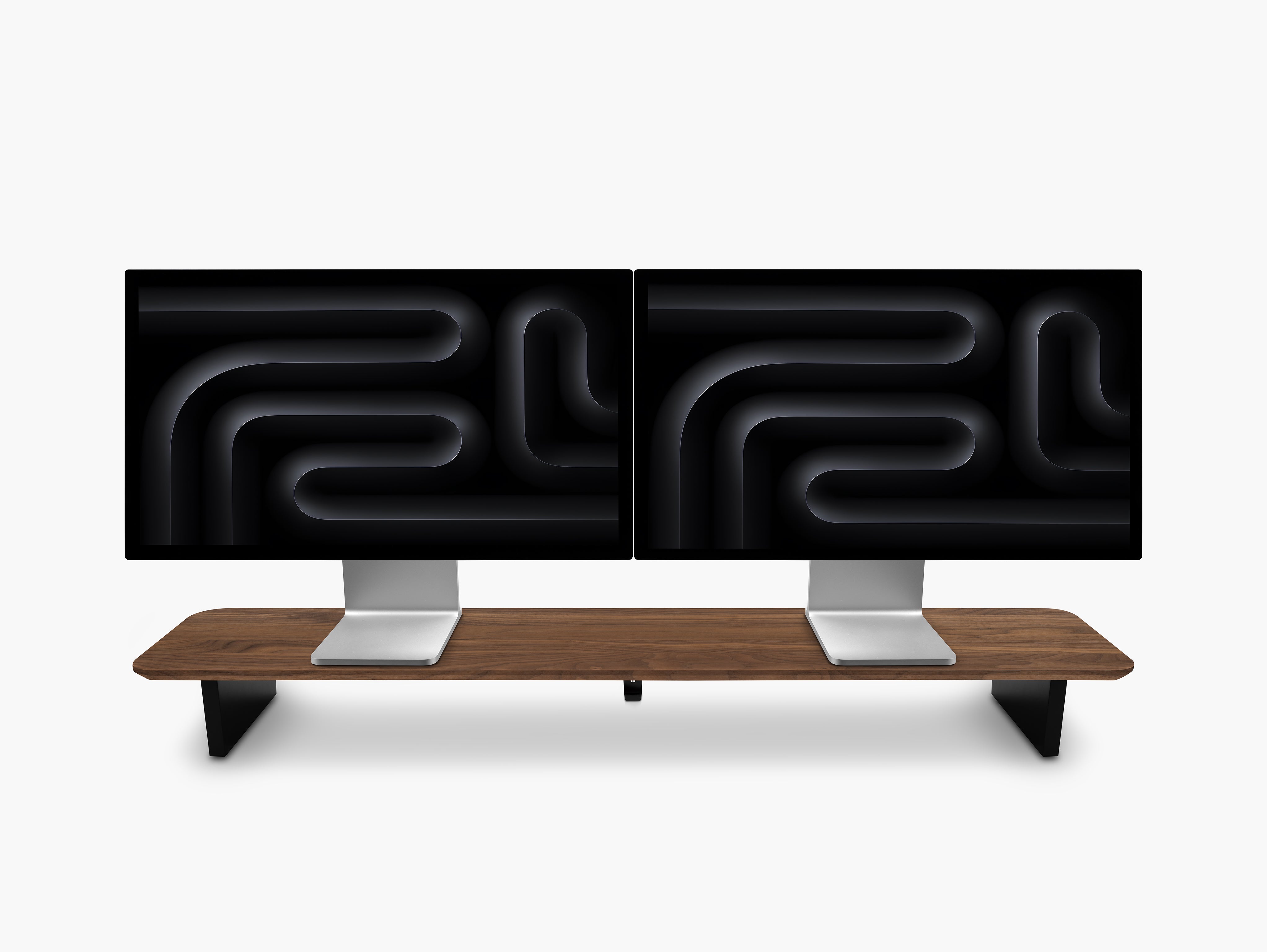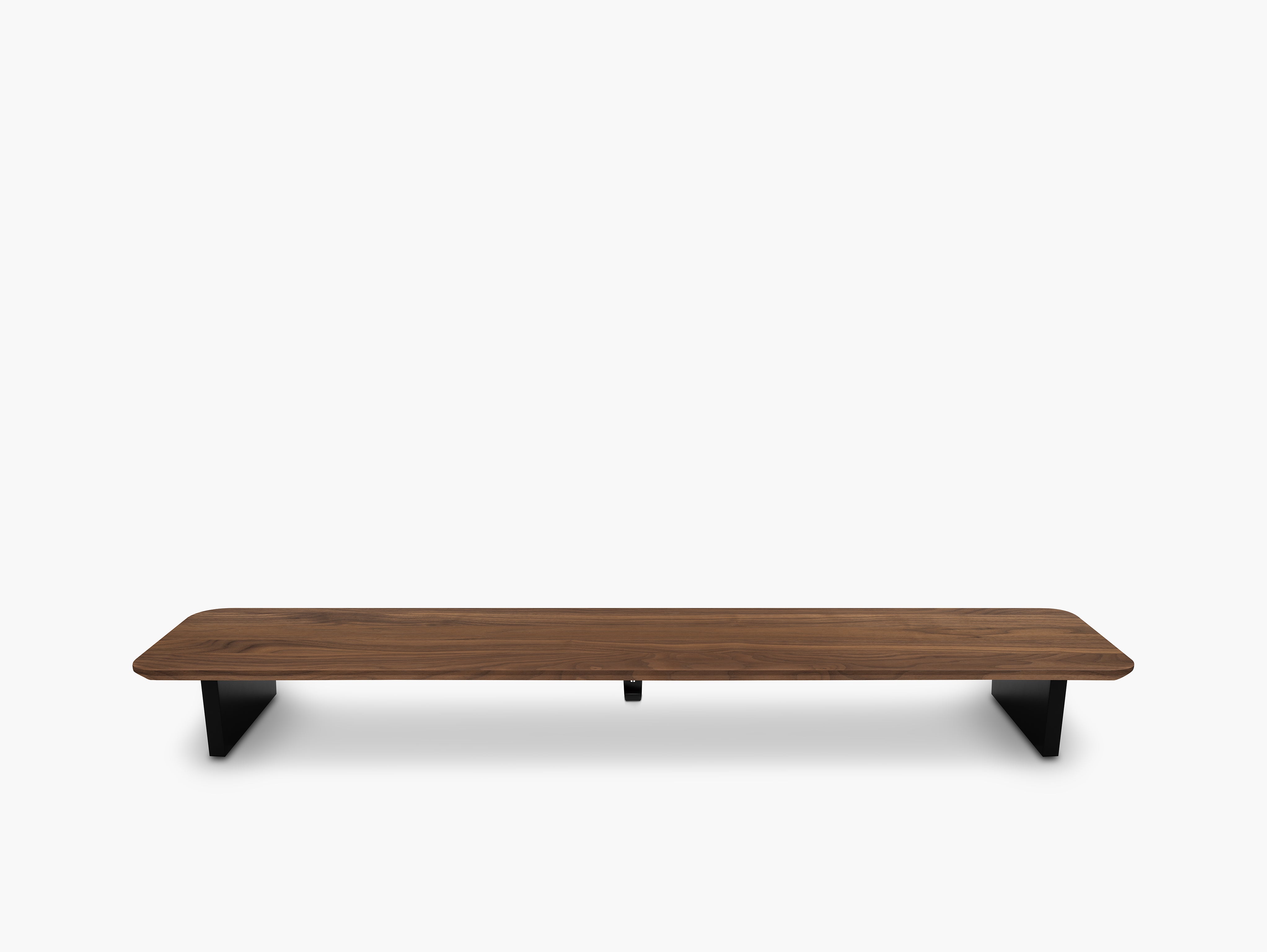





Plywood is usually the better choice when you value dimensional stability, a clean appearance and an accessible entry into a premium desk setup. Solid wood is the right choice when natural grain, material character and a more exclusive feel matter most to you.
Neither material is automatically better. The right option depends on how you want your workspace to look, how much value you place on the natural character of wood and how you balance function with material expression.
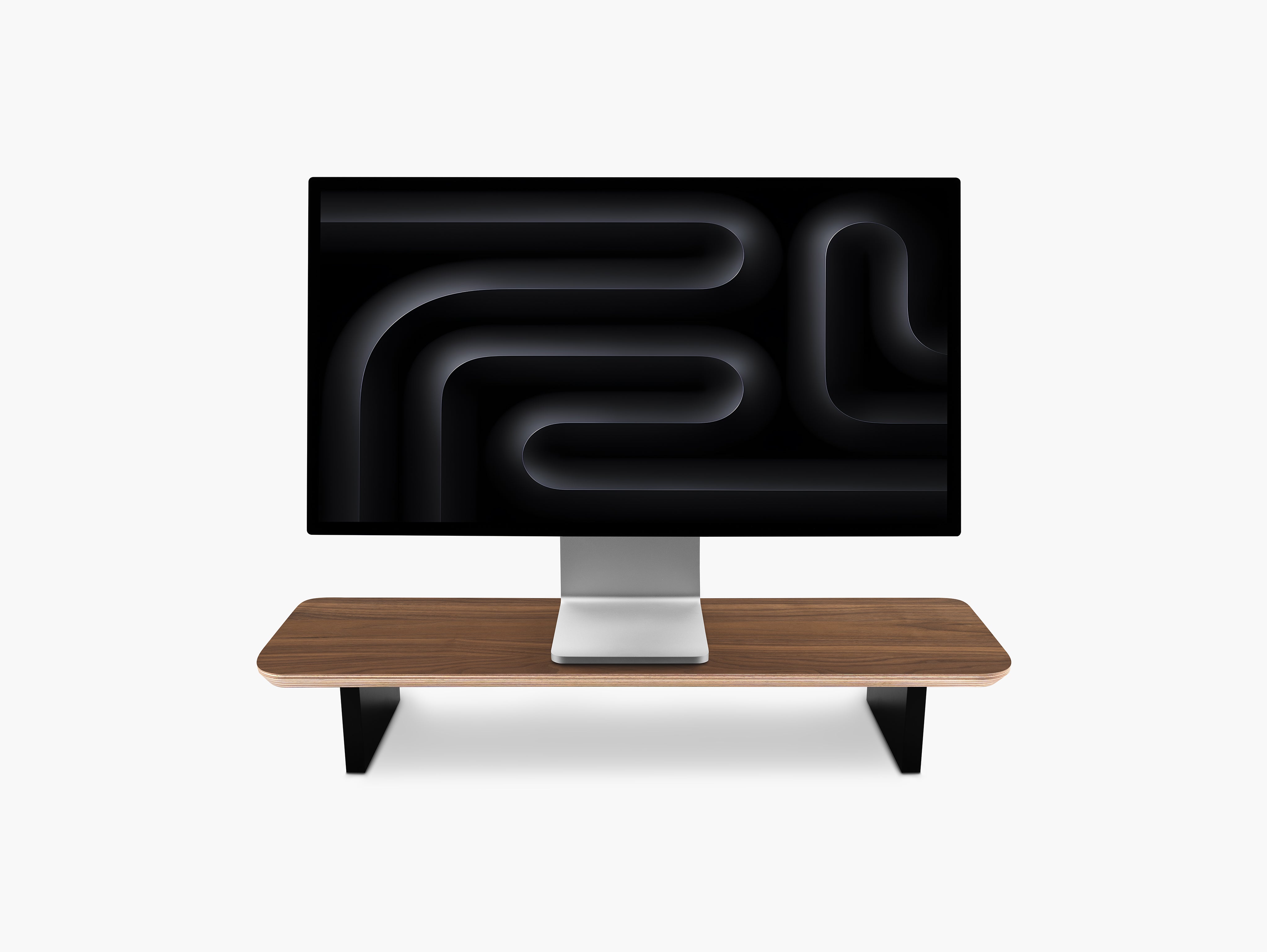
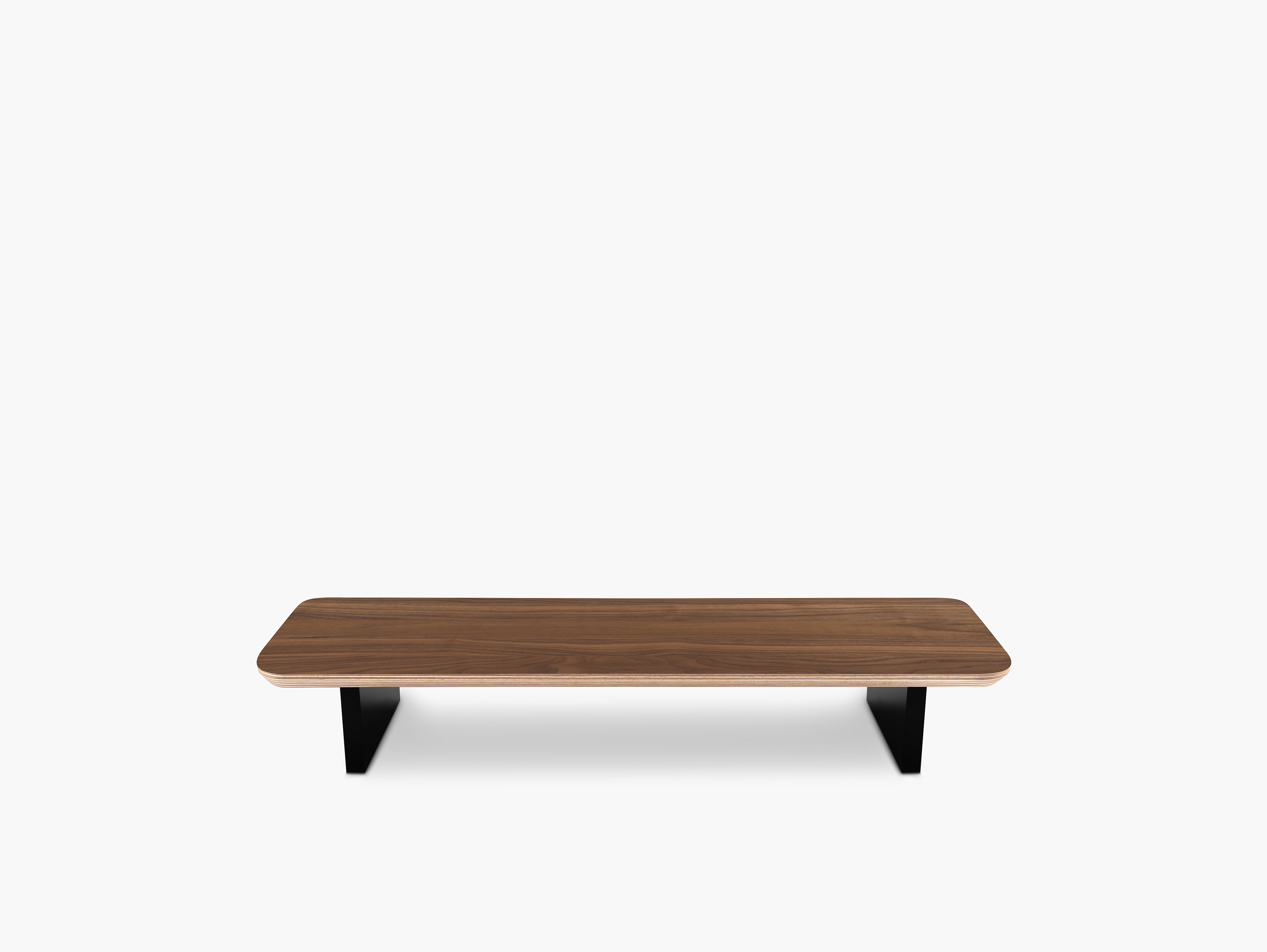
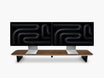
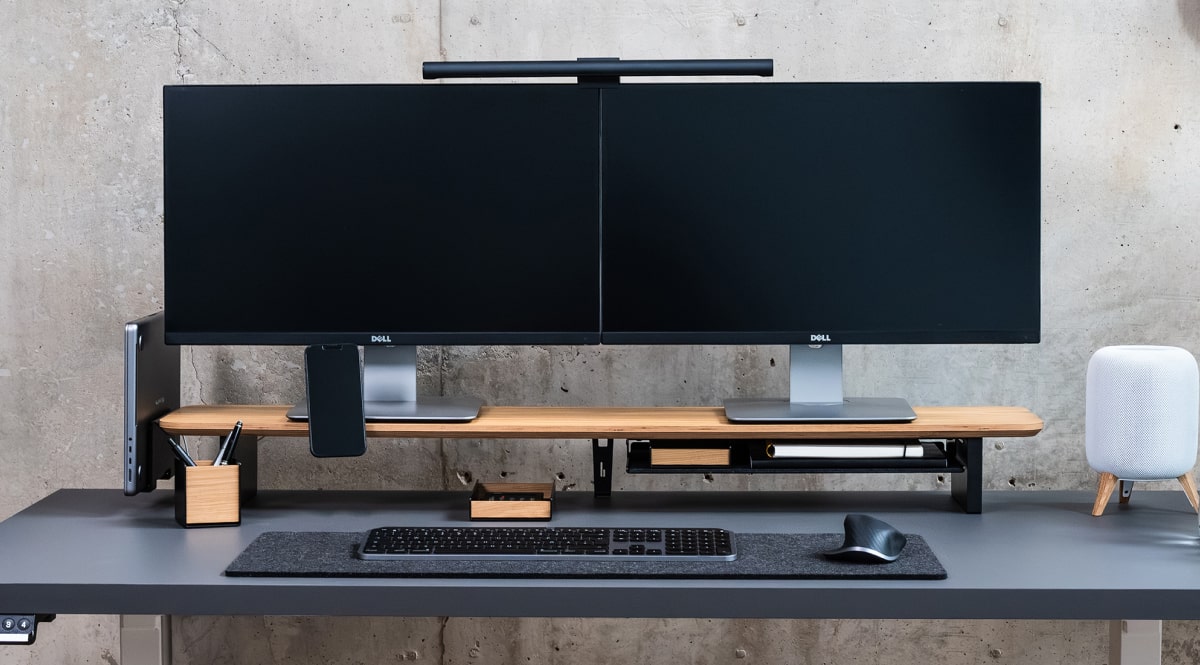
At BALOLO, we offer our Setup Cockpit Large in two material constructions: a layered birchwood version, commonly referred to as Multiplex, and a premium solid wood version. Both provide the same modular foundation for an organized desk setup, but they create a noticeably different visual and tactile experience.
This guide explains the differences between plywood and solid wood, where each material performs best, and which Setup Cockpit is likely to suit your workspace.
Plywood vs Solid Wood at a Glance
| Feature | Plywood / Multiplex | Solid Wood |
| Construction | Multiple cross-laminated wood layers | Continuous solid wood |
| Dimensional stability | Very high | Naturally reacts more to humidity |
| Appearance | Clean, controlled and consistent | Individual grain and natural variation |
| Material character | Technical and precise | Warm, organic and expressive |
| Price positioning | More accessible | Premium investment |
| Best suited for | Minimalist and functional setups | Design-focused and material-led setups |
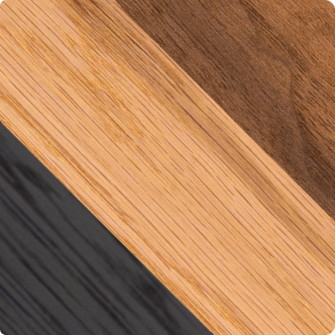
| BALOLO finishes | Walnut, oak and All Black | Solid walnut and solid oak |
| Modularity | Full Setup Cockpit mounting grid | Full Setup Cockpit mounting grid |
The most important point is that both are real wood products. Plywood is not artificial wood. It is an engineered wood material made from thin layers of natural wood that are bonded together.
What Is Plywood?
Plywood consists of multiple thin wood layers arranged in alternating grain directions. These layers are bonded together to create a stable panel.
The term Multiplex is commonly used in German-speaking markets for high-quality plywood with numerous layers. In the standard Setup Cockpit, we use a 15-ply birchwood construction. Depending on the selected version, the material specification combines birchwood with American walnut, oak or black-stained oak.

The alternating direction of the wood layers is important. It helps balance the natural movement of the individual layers, making plywood highly dimensionally stable. APA, the Engineered Wood Association, notes that cross-laminated plywood offers strong dimensional stability and a high strength-to-weight ratio.
In practical terms, plywood is particularly suitable for long, horizontal pieces such as a monitor stand or desk shelf.
Key characteristics of plywood
- Multiple layers of real wood
- High dimensional stability
- Consistent shape across a wide surface
- Precise, modern appearance
- Efficient use of the raw material
- Strong construction without unnecessary visual weight
Plywood is therefore not simply a lower-cost substitute for solid wood. It is a deliberately engineered material with its own functional advantages.
What Is Solid Wood?
Solid wood is made from continuous pieces of timber rather than cross-laminated layers.
Our solid wood Setup Cockpit is available in solid American walnut or solid oak. The main shelf displays the grain, color differences, and natural features of the selected wood throughout the material. The feet are made from satin-sealed MDF in both Setup Cockpit constructions.

Every solid wood surface has its own pattern. Grain lines can be calm and linear in one piece, then more expressive in another. Small variations are not flaws. They are part of the material's identity.
Key characteristics of solid wood
- Continuous natural wood structure
- Individual grain and color variations
- Warm and tactile material character
- Premium, furniture-like appearance
- Natural aging over time
- A stronger focus on craftsmanship and uniqueness
Solid wood is especially appealing when the desk shelf is not merely a functional accessory but a central design object within the workspace.
The Main Difference: Engineered Stability vs Natural Character
The clearest difference between plywood and solid wood is the way the materials are constructed.
Plywood is designed to balance natural wood movement. Because neighboring layers run in different directions, they help stabilize one another.
Solid wood retains the continuous grain structure of the original timber. This creates a more natural and expressive appearance, but it also means the material continues to react to changes in its environment.

Wood absorbs and releases moisture as indoor humidity changes. In solid-sawn wood, this movement occurs primarily across the grain rather than along its length.
For a well-designed indoor product, this is a normal material property rather than a defect. Still, it explains why plywood is often chosen for applications that require a particularly stable, wide surface.
The choice can therefore be summarized simply: Plywood prioritizes controlled performance. Solid wood prioritizes natural expression.
Which Material Is More Stable?
For dimensional stability, plywood has the advantage.
The cross-laminated structure reduces the tendency of the panel to expand, contract, twist or warp as environmental conditions change. That makes it a highly practical material for a long monitor shelf.
This stability was one of the reasons behind the original material construction of our Setup Cockpit. Its 15-ply birchwood core creates a precise foundation for monitors and modular desk accessories.
Solid wood can also remain stable for many years when it is properly selected, dried, manufactured and used in a normal indoor environment. However, it remains a natural material. Seasonal changes in humidity may influence it more noticeably than plywood.
This does not make solid wood unsuitable for a monitor stand. It simply means that natural behavior is part of the product. For additional stability, both Setup Cockpit versions can also be equipped with the Center Support Foot, which is always included and provides extra support beneath the shelf, especially when using multiple or heavier monitors. Find out more about the modular Setup Cockpit accessories here.
Choose plywood when:
- Maximum dimensional stability is your priority
- Your indoor climate changes throughout the year
- You prefer a technically optimized material
- You want a clean and controlled desk shelf
- Function is more important than visible material depth
Choose solid wood when:
- Natural grain is a central part of your interior
- You appreciate variation between individual pieces
- You want the monitor stand to resemble premium furniture
- Material authenticity is part of the purchase decision
- You enjoy the way natural wood develops over time
Which Material Looks Better?
Appearance is subjective, but the two materials communicate different design ideas.
The appearance of plywood
Plywood creates a precise, contemporary impression. Its engineered structure fits naturally into minimalist desk setups, modern home offices and technology-focused workspaces.
The visible wood surface still provides warmth, but the overall impression is controlled. It combines especially well with:
- Powder-coated steel
- Aluminum devices
- Matte black accessories
- Neutral desk pads
- Minimal color palettes
- Modern office furniture
This makes the standard Setup Cockpit a versatile option for users who want a premium wooden monitor stand without making the material itself the dominant feature. Our light oak plywood finish is a good example of how understated this material can look.

The appearance of solid wood
Solid wood has greater visual depth. Grain patterns, tonal changes and natural details give the surface more presence.
It is particularly effective in a workspace where the desk shelf is meant to become a focal point. Solid walnut can add warmth and contrast to a minimal setup, while solid oak creates a lighter and more architectural atmosphere — if you're still weighing which tone fits your room, our guide on a dark vs light desk setup can help you decide.

Solid wood combines particularly well with:
- Solid wood desktops
- Natural textiles
- Leather details
- Warm lighting
- Plants
- Carefully selected design objects
Because each piece is different, exact grain and color matching should not be expected. Even two products made from the same wood species can display different tones and patterns.
That individuality is precisely what many people value about solid wood.
Does Solid Wood Automatically Mean Better Quality?
No. Material type and manufacturing quality are separate questions.
Low-quality solid wood can be poorly dried, badly selected or imprecisely finished. High-quality plywood can be exceptionally strong, stable and carefully manufactured.
The real indicators of quality include:
- Selection of the raw material
- Number and quality of the layers
- Precision of machining
- Quality of joints and edges
- Surface preparation
- Protective finish
- Final inspection
- Overall product design
At BALOLO, both Setup Cockpit versions are developed and manufactured in Germany. They combine CNC precision with woodworking craftsmanship and are finished with natural oils and waxes.
The solid wood edition is more exclusive because of its material construction, not because the plywood version is a low-quality alternative.
What Stays the Same Between Both Setup Cockpits?
The choice between plywood and solid wood primarily changes the material experience. The essential Setup Cockpit concept remains the same.
Both Large versions have the following specifications:
| Specification | Value |
| Width | 114 cm |
| Depth | 23 cm |
| Total height | 12 cm |
| Clearance underneath | 10 cm |
| Weight | 3.8 kg |
| Manufacturing | Developed and manufactured in Germany |
| Mounting | Modular mounting grid beneath the shelf |
| Compatibility | All Setup Cockpit accessories |
| Monitor capacity | Space for up to two monitors |
| Feet | Satin-sealed MDF |

These shared dimensions mean that you do not have to choose between functionality and material. Both versions provide the same underlying platform for building an organized workspace.
The Modular System Matters More Than the Material
A monitor stand should do more than raise a screen.
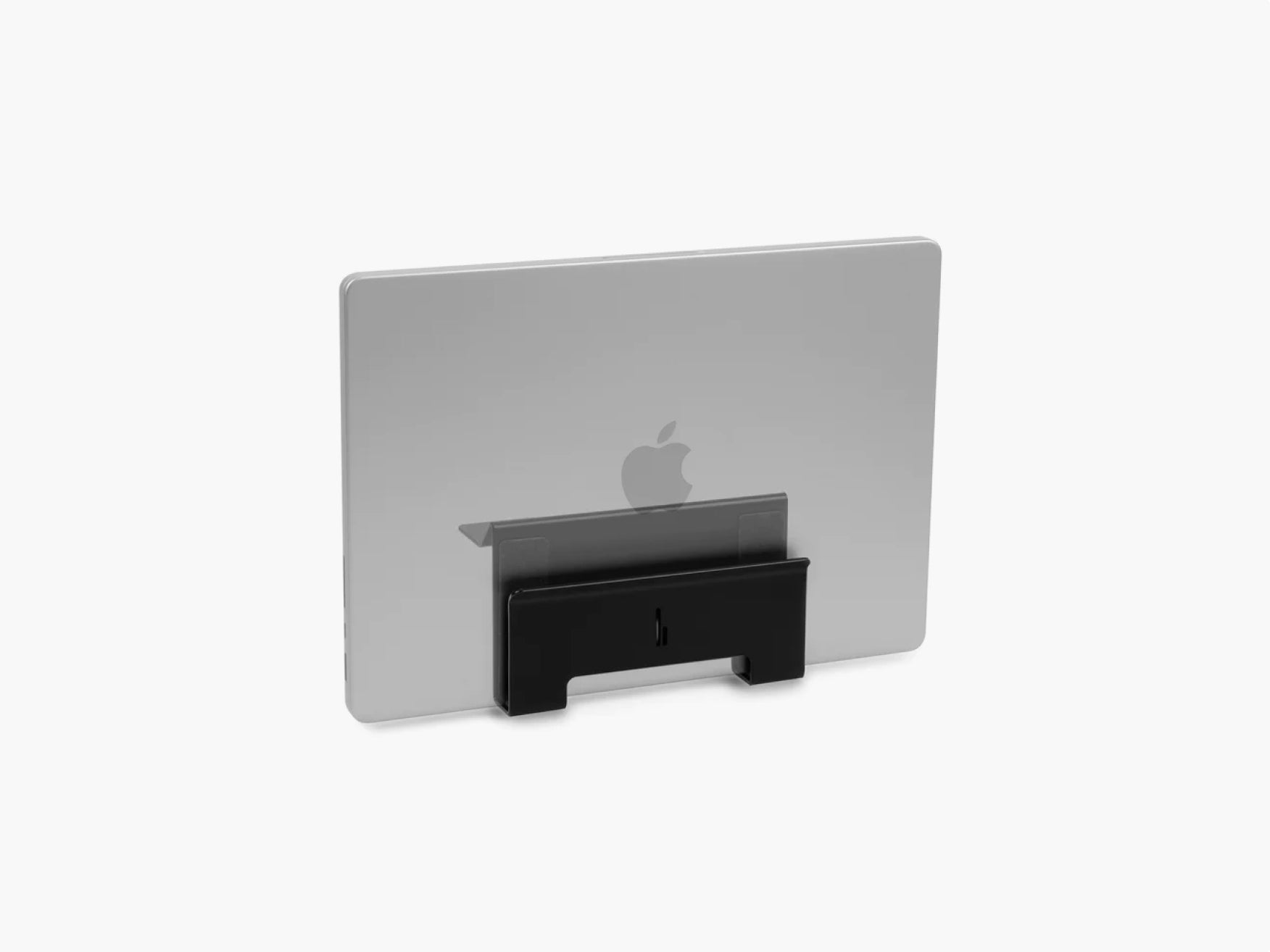
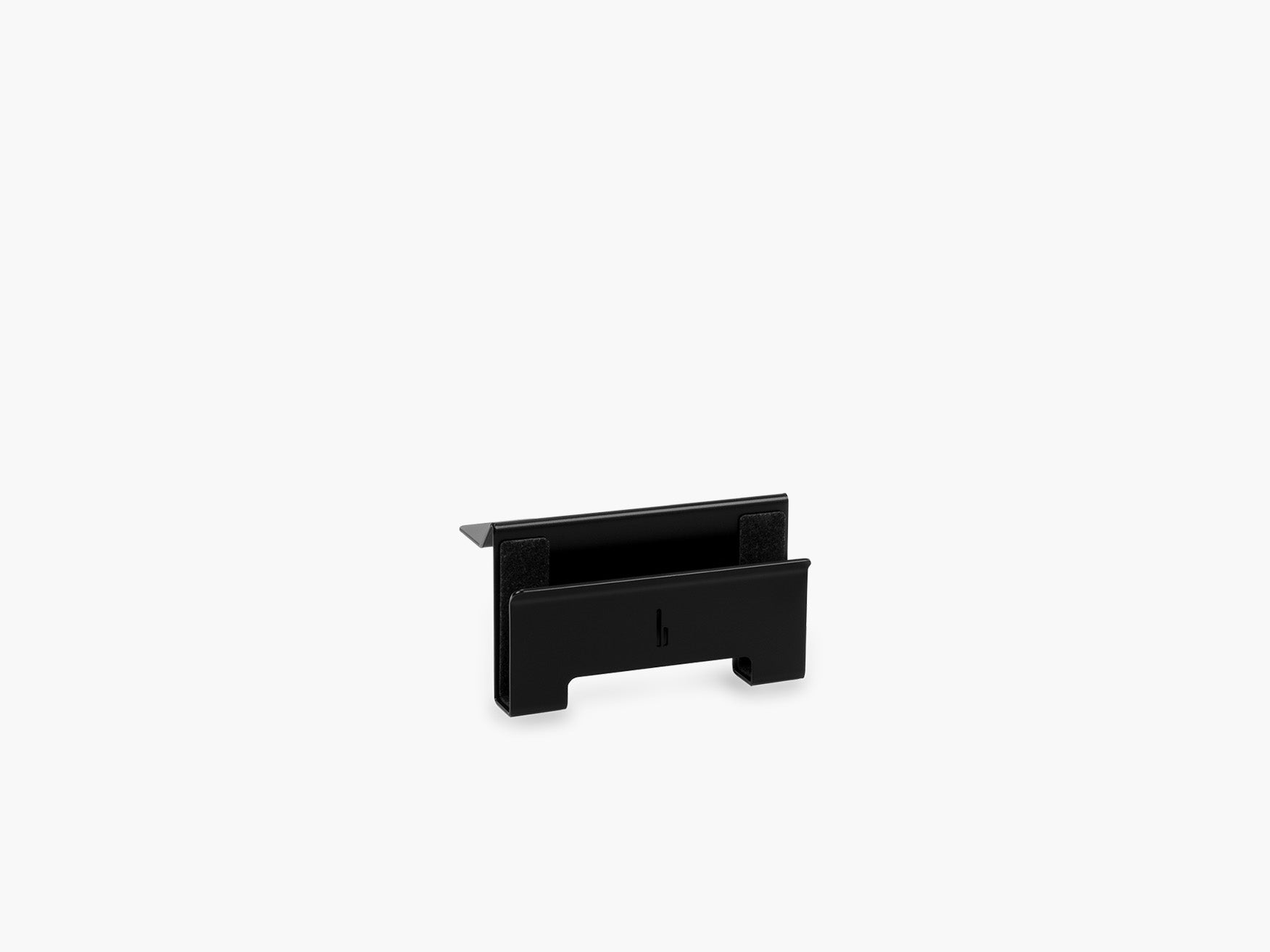
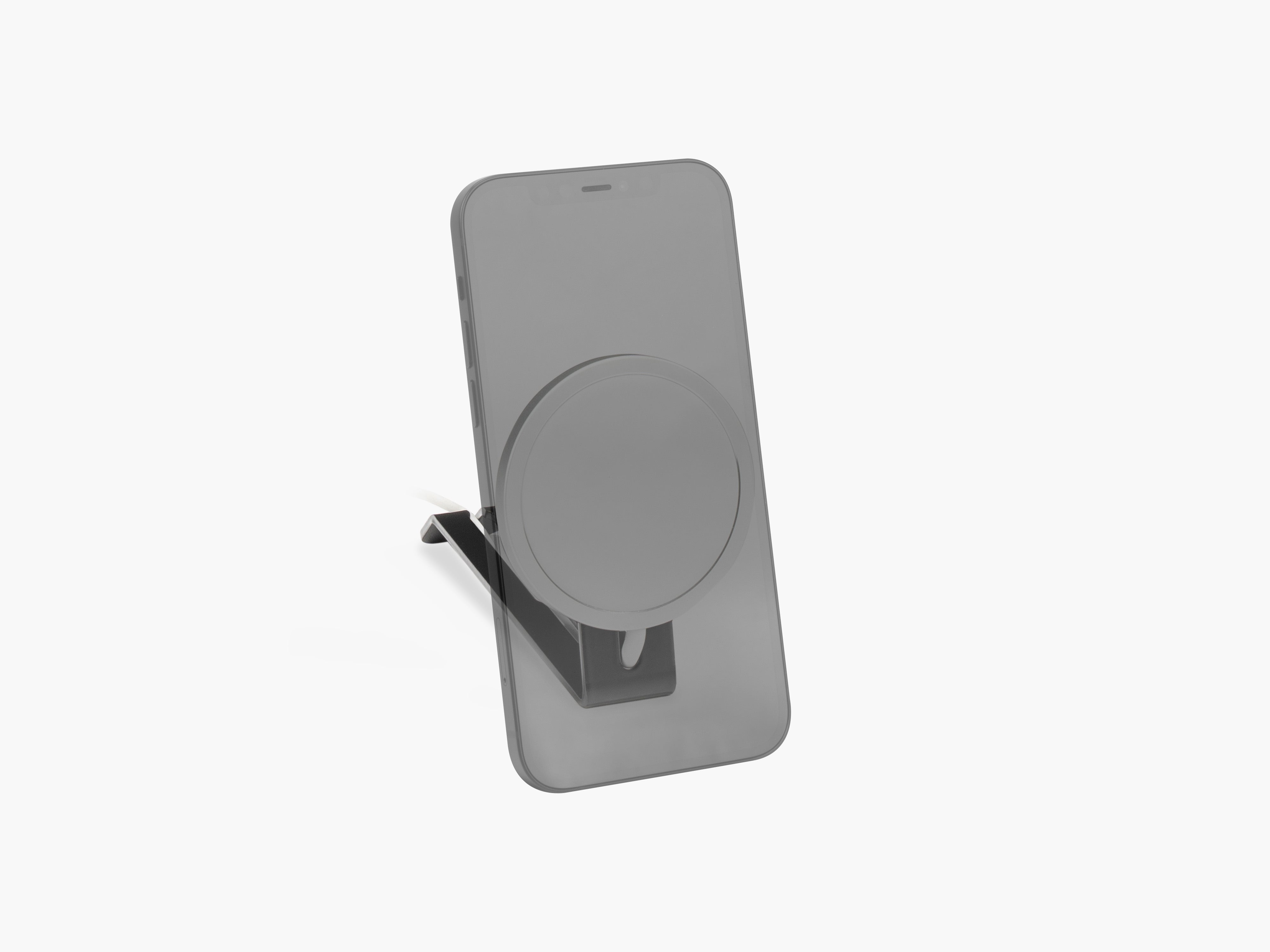
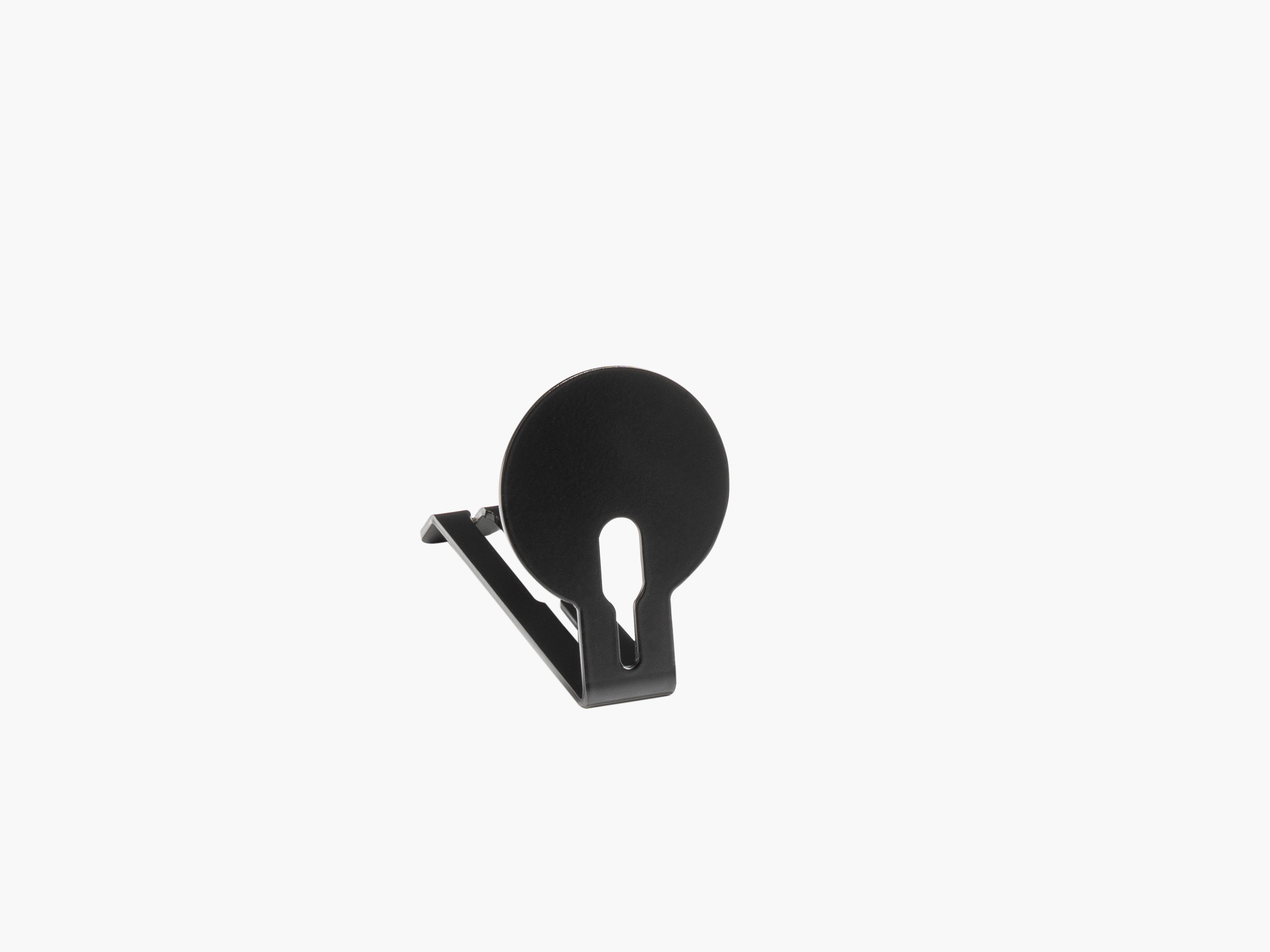
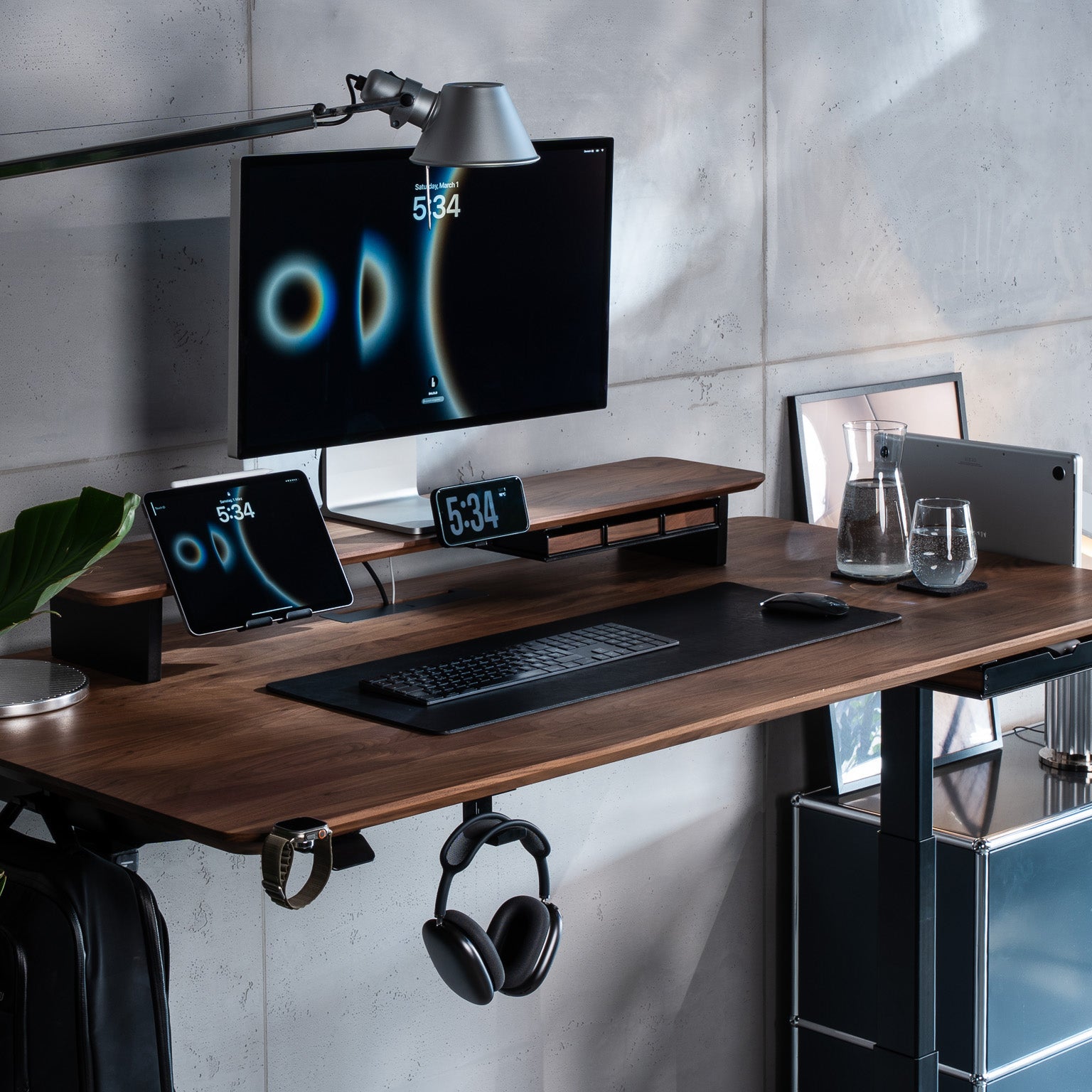
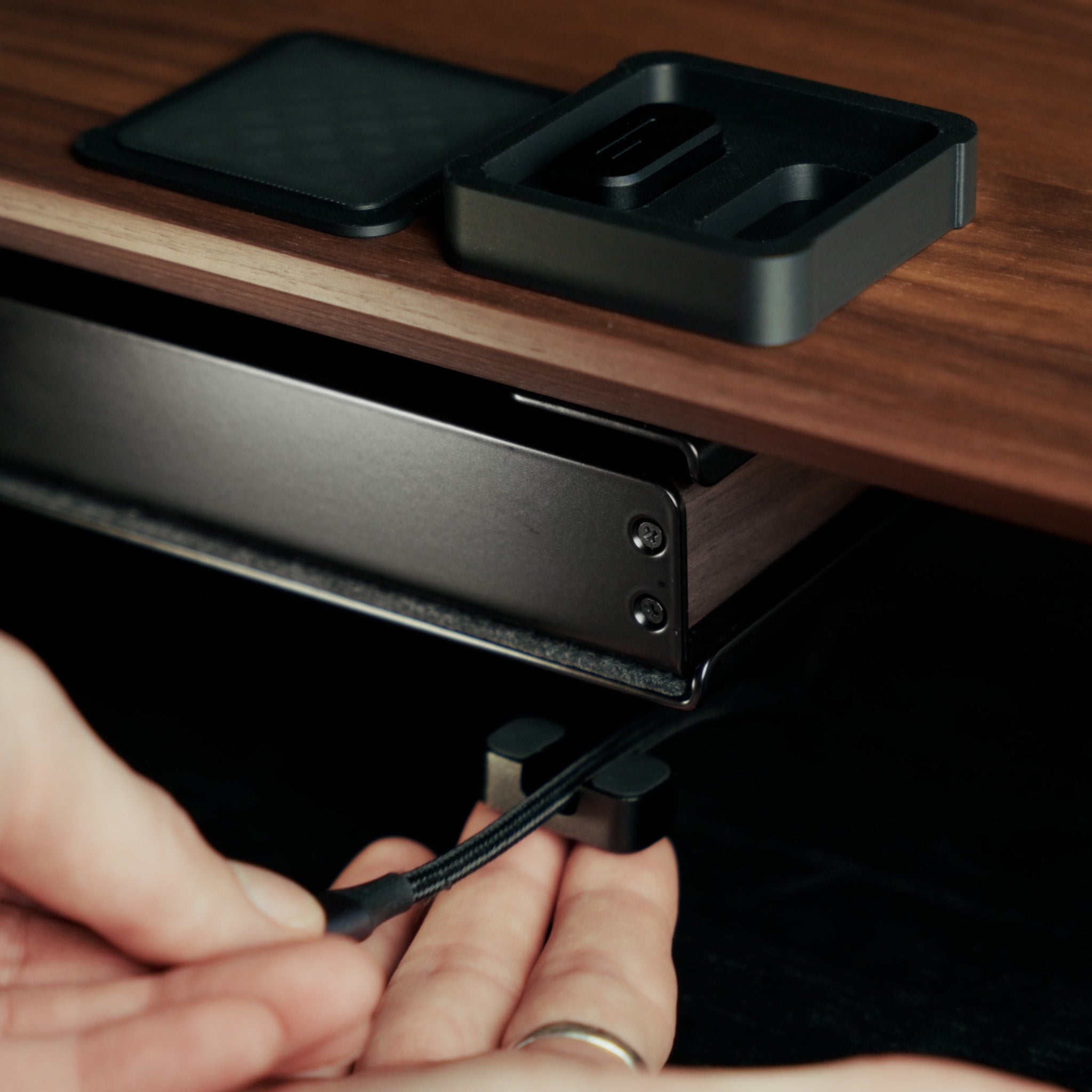
The Setup Cockpit uses the space beneath the main shelf to create an additional functional layer. Accessories can be attached to the mounting points underneath and repositioned as the setup changes.
Depending on your workflow, the system can hold items such as:
- A laptop
- A smartphone
- Headphones
- A tablet
- Notebooks
- Small desk accessories
- Cables and charging equipment
The mounting grid is included in both the plywood and solid wood versions. Accessories can be unscrewed and moved to another mounting position without replacing the entire monitor stand. An optional support foot can also be installed for additional support when using multiple or particularly heavy monitors.
This modularity means the decision is not about functionality. It is about which material best expresses the character of your workspace.
Which Setup Cockpit Fits Your Desk?
Choose the plywood Setup Cockpit for a clean, modern workspace
The standard Setup Cockpit is likely the better choice when your desk setup is minimal, technical and highly functional.
Its layered construction supports a clean aesthetic without losing the warmth of real wood. It is especially well suited to modern home offices, creator workstations, gaming setups and professional desks where devices and accessories are frequently rearranged — our guide to a productive desk setup has more on building exactly this kind of workspace.
It also offers the most accessible way to enter the Setup Cockpit ecosystem.
Best for:
- Minimalist desk setups
- Modern home offices
- Technology-focused workspaces
- Users prioritizing stability
- Flexible setups that change regularly
- A balance of premium design and price
Choose the solid wood Setup Cockpit for maximum material presence
The solid wood edition is designed for people who see their workspace as part of their interior architecture.
It makes sense when the desk shelf should feel like a carefully selected piece of furniture rather than a purely functional monitor riser. The continuous walnut or oak construction adds visual depth and makes each unit distinctly individual.

Best for:
- Premium home offices
- Design-led interiors
- Solid wood desks
- Warm and natural workspaces
- Users who appreciate unique grain patterns
- A desk shelf intended as a long-term design object
Plywood or Solid Wood: Our Recommendation
Choose the plywood Setup Cockpit when you want the most balanced combination of stability, functionality, modularity and premium design.
Choose the solid wood Setup Cockpit when the emotional and visual quality of natural wood is a central part of your setup.
For many users, plywood is the more practical choice. It performs exceptionally well as a wide monitor shelf and integrates easily into almost any modern desk setup.
Solid wood is the more expressive choice. It offers a deeper material experience and transforms the Setup Cockpit into an even more distinctive design object.
Neither option requires a compromise in modularity. Both give you access to the same expandable system for organizing your desk.
The difference is how you want that system to feel.
Frequently Asked Questions
Is plywood real wood?
Yes. Plywood is made from multiple thin layers of real wood. The layers are arranged in alternating directions and bonded together to improve stability.
Is solid wood always stronger than plywood?
Not necessarily. Strength depends on the wood species, panel construction, dimensions, manufacturing quality and type of load. High-quality plywood has an excellent strength-to-weight ratio and is particularly stable across wide surfaces.
Is plywood more stable than solid wood?
Generally, yes. Its cross-laminated construction helps reduce natural expansion, contraction and warping. Solid wood reacts more directly to changes in moisture and humidity.
Does solid wood look more premium?
Solid wood often appears more exclusive because its grain runs through the material and every piece has a unique pattern. However, premium quality is also determined by design, precision, finish and craftsmanship.
Are both Setup Cockpits compatible with the same accessories?
Yes. Both versions use the Setup Cockpit mounting grid and are compatible with the modular accessories designed for the system.
Can both versions hold two monitors?
Both Setup Cockpits Large are suitable for raising up to two screens. An optional support foot is included and can be attached to the mounting grid for additional support.
Will my solid wood Setup Cockpit look exactly like the product photo?
Not exactly. Natural grain, tone and pattern vary between individual pieces of wood. These differences make every solid wood Setup Cockpit unique.