



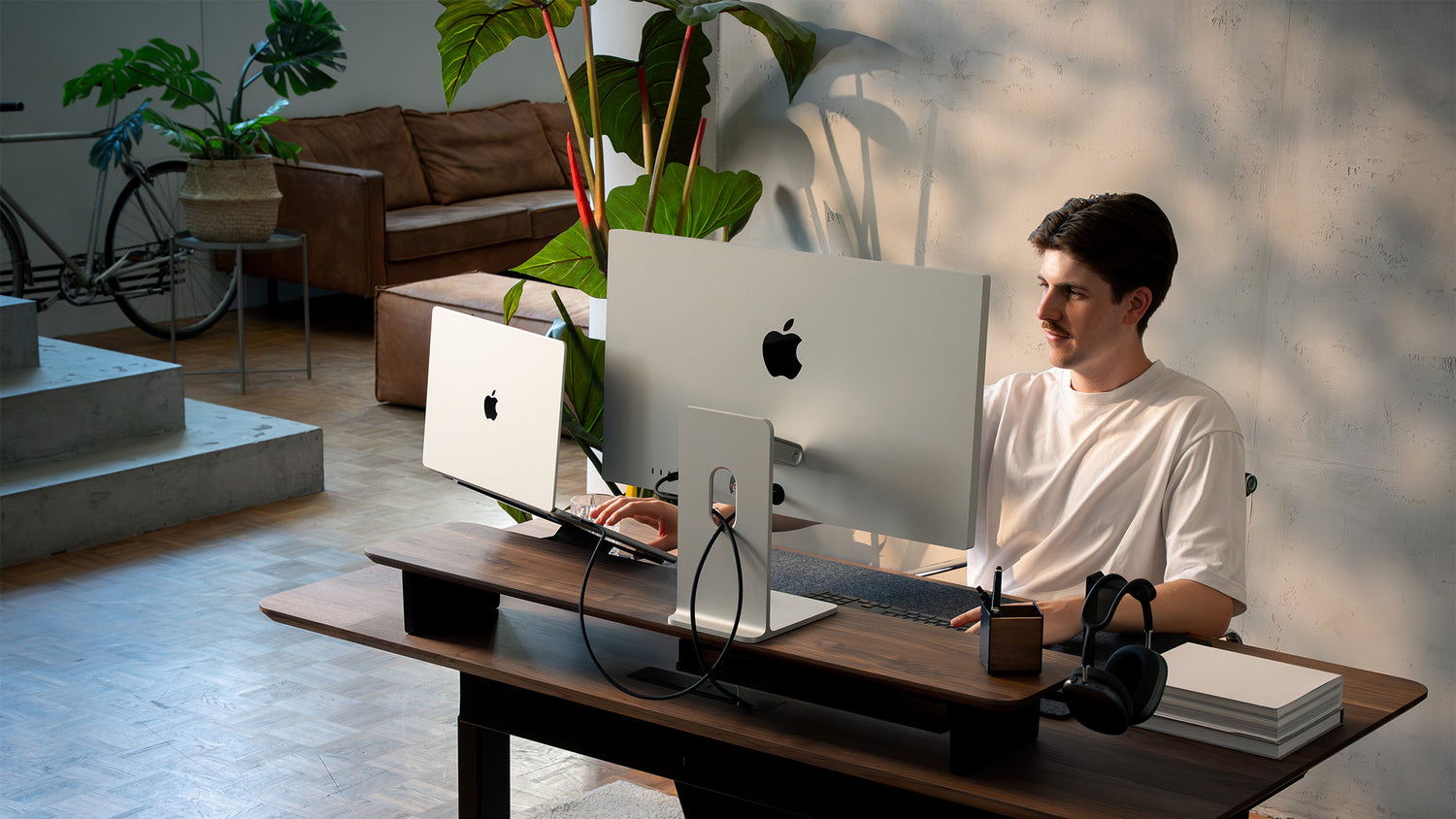
Plants in the home office can make a workspace feel calmer, more personal and visually balanced. Research suggests that indoor greenery may support workplace satisfaction and mental wellbeing, while a thoughtfully chosen plant adds natural color and texture to a modern desk setup. Plants should not, however, be considered a replacement for ventilation or proper air filtration.
A home office is more than a place to position a laptop. It is an environment that can influence how comfortably and intentionally you move through the working day.
The right plant can soften technical surfaces, complement natural materials and create a visual pause between screens, cables and everyday desk accessories. And you do not need to turn your workspace into an indoor jungle. One carefully selected plant can be enough.
Why Add Plants to Your Home Office?
Plants bring something to a workspace that most traditional office accessories cannot: visible life.
Their shapes are organic rather than geometric. Their appearance changes over time. They introduce subtle imperfections into an environment otherwise defined by straight lines, screens and technical equipment.
This contrast is especially effective in a minimalist home office setup.
Plants can make a workspace feel more inviting
A productive workspace should be functional, but it should not feel sterile.
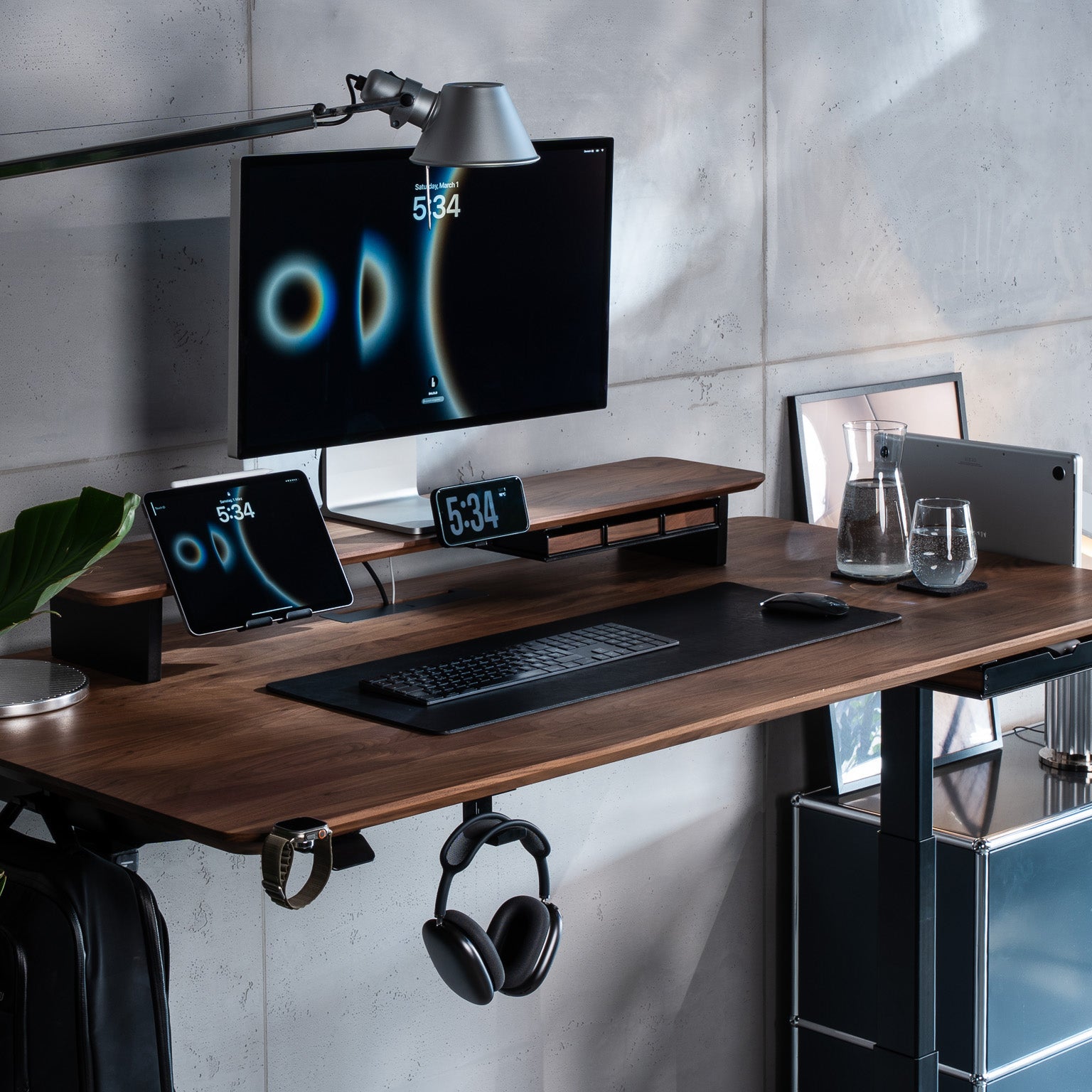
Green leaves can soften the appearance of monitors, keyboards and metal accessories. They also help connect the desk with the rest of the room, which is particularly valuable when the home office is located in a bedroom, living room or open-plan space.
A 2023 office field study found that introducing plants was associated with improvements in perceived workspace attractiveness and privacy, as well as fewer complaints about dry air. The effects were not identical across every measurement, but the findings support the idea that plants can positively influence how an office environment is experienced.
Greenery may support wellbeing
Indoor plants are not a guaranteed productivity tool. Still, research indicates that exposure to indoor greenery may support stress reduction and mental wellbeing.
A review of epidemiological studies found generally beneficial associations between indoor plants and mental-health outcomes, including lower stress. Other research has reported that even small amounts of indoor greenery may contribute to stress relief.
The practical takeaway is simple: a plant will not complete your work for you, but it may help create a workspace in which you feel more comfortable spending time.
Plants create a natural visual break
Working from home often means looking at the same screen and the same section of wall for several hours.
A plant introduces a second visual focus. Looking away from the screen and toward a natural form can become a small pause during concentrated work. Even the act of checking a leaf, turning a pot or watering a plant can create a brief transition between tasks.

The Best Plants for a Home Office
The best office plant is not necessarily the most dramatic one. It is the plant that suits the available light, your desk size and the amount of care you realistically want to provide.
Before choosing a plant, consider three questions:
- How much natural light reaches the workspace?
- How much free space is available?
- How regularly are you prepared to water it?
Home office plant guide
| Workspace condition | Suitable plant | Why it works |
| Limited natural light | ZZ plant | Tolerates low-light conditions and requires relatively little watering |
| Low to moderate light | Snake plant | Architectural shape and good tolerance of lower light |
| Shelf or raised surface | Pothos | Trailing growth creates a softer, layered appearance |
| Small desk | Peperomia | Compact proportions make it suitable for limited surfaces |
| Bright workspace | Small succulent | A compact option for desks receiving plenty of light |
The Royal Horticultural Society recommends several of these plants for office environments. It identifies snake plants and ZZ plants as options for lower-light spaces, while compact peperomia varieties and small succulents can work well directly on desks. Remember that "low light" does not mean "no light." Even tolerant plants still need appropriate growing conditions.
Choose the right plant size
Scale is one of the most important elements of workspace design.
A plant that is too large can block light, compete with the monitor or reduce the usable desk surface. A plant that is too small may disappear among speakers, chargers and other accessories.
Small plants for the desk
Small plants work best when you want greenery within your immediate field of view. They can be placed:
- Beside a monitor
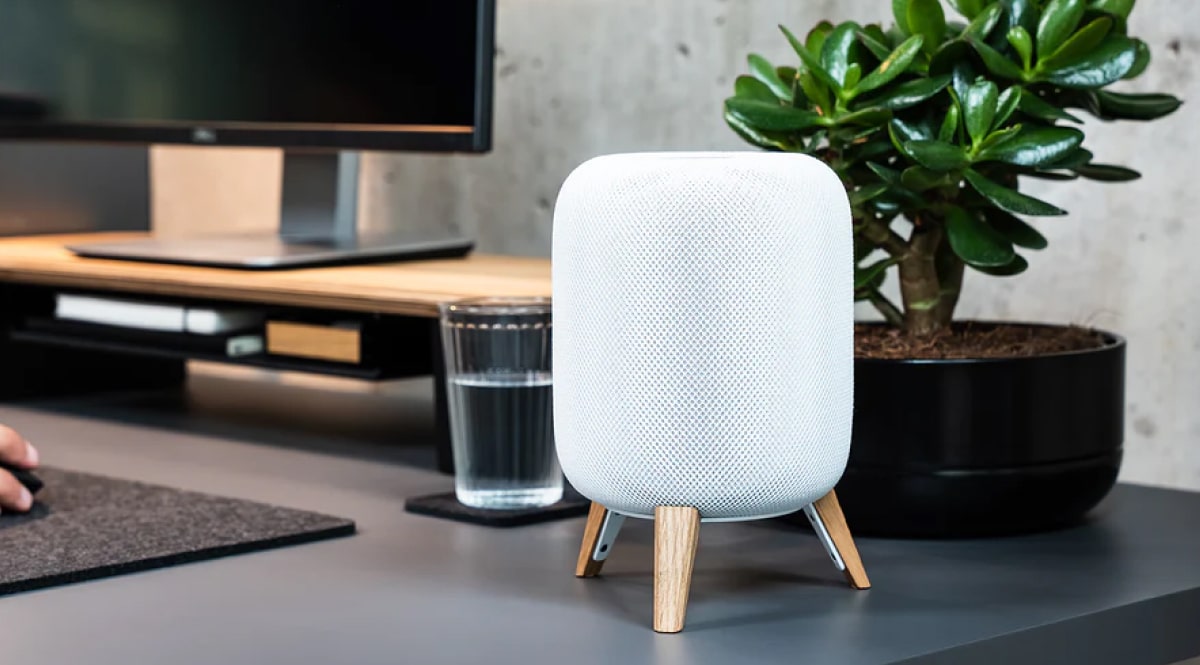
- Near a speaker
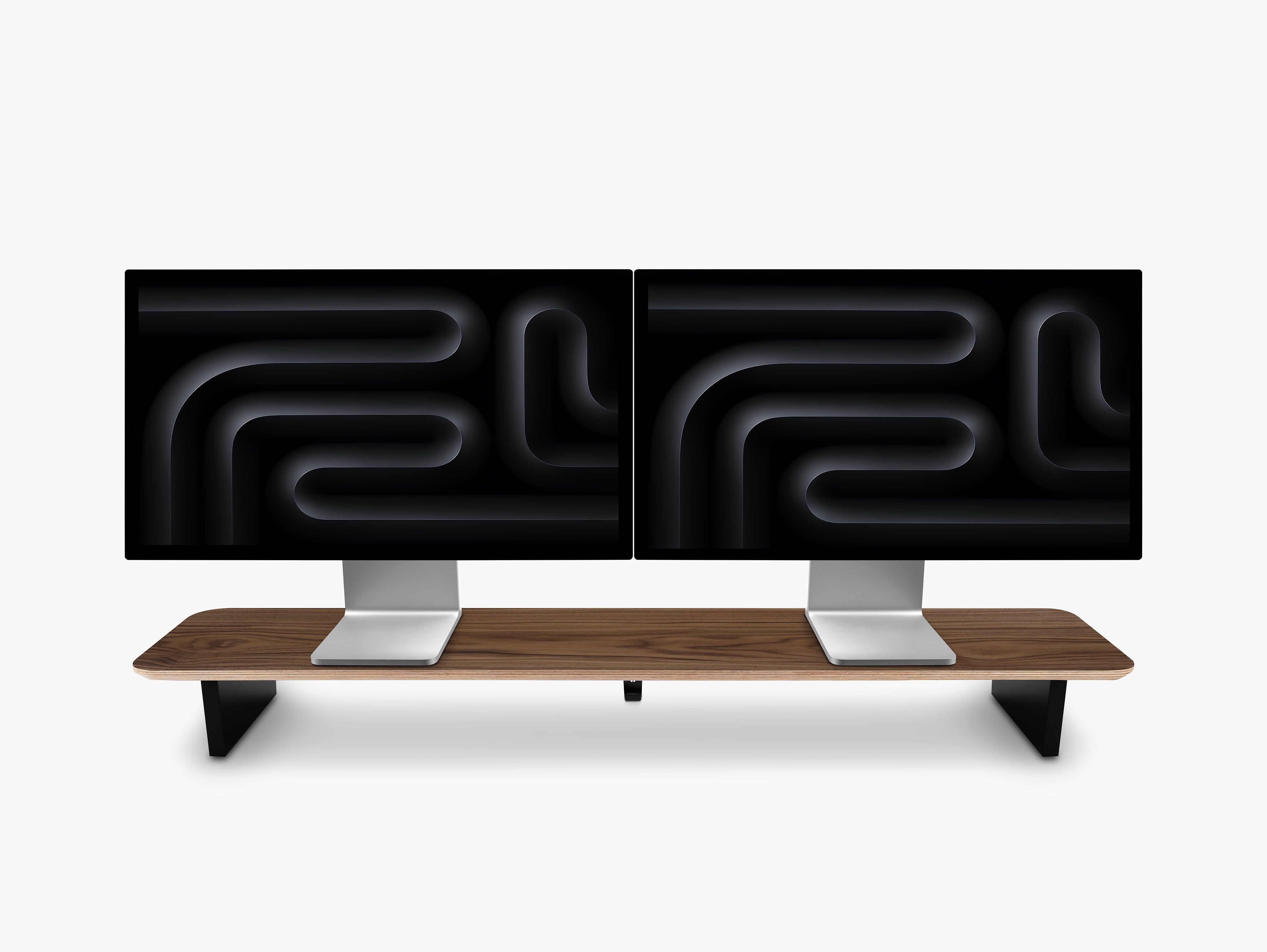
- On a monitor shelf
- At the outer corner of the desk
- Next to a notebook or pen tray
A compact plant adds character without turning into a new source of clutter.
Medium plants for shelves and cabinets
Medium-sized plants can help connect the desk setup to the wider room. Place them on a nearby wall shelf or side table. This keeps the primary work surface open while still bringing greenery into the home office.
Large plants for empty corners
A larger floor plant can anchor an unused corner and visually define the workspace. This works particularly well when the desk is placed in a living area. The plant can create a soft boundary between the work zone and the rest of the room without requiring a physical divider.

Where Should You Place Plants in a Home Office?
Plant placement should improve the desk setup rather than interfere with it. The goal is to add visual interest while keeping the working area clear.
1. At the edge of the desk
The outer corner of the desk is often the best location for a small plant. It remains visible but does not interrupt the area used for your keyboard, mouse, notebook or other daily essentials.
2. Beside the monitor
A compact plant beside the monitor creates contrast between the screen and the surrounding workspace. Choose a plant that remains below the main viewing area. Leaves should not cover part of the display or create distracting reflections.
3. On a monitor shelf
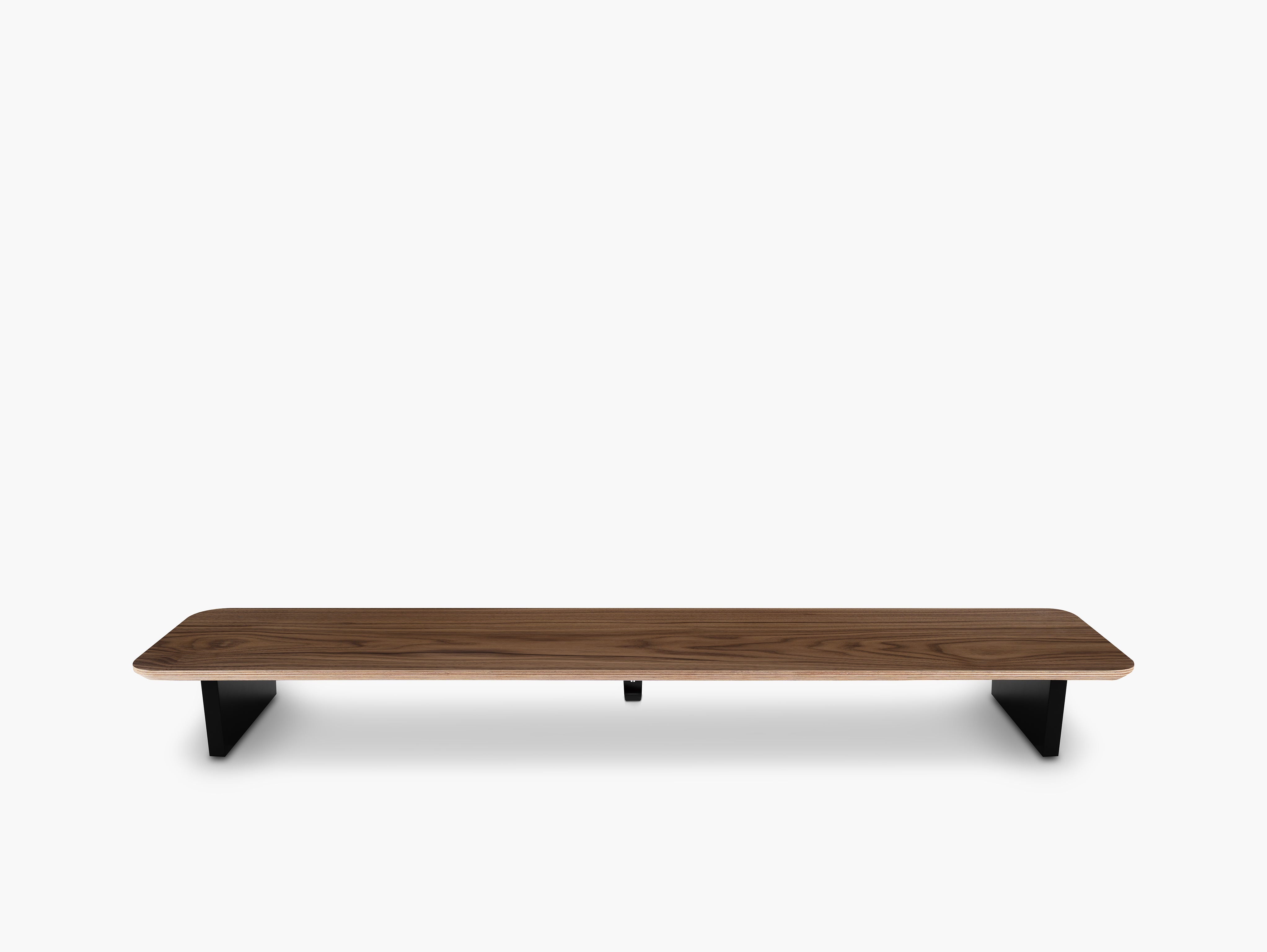
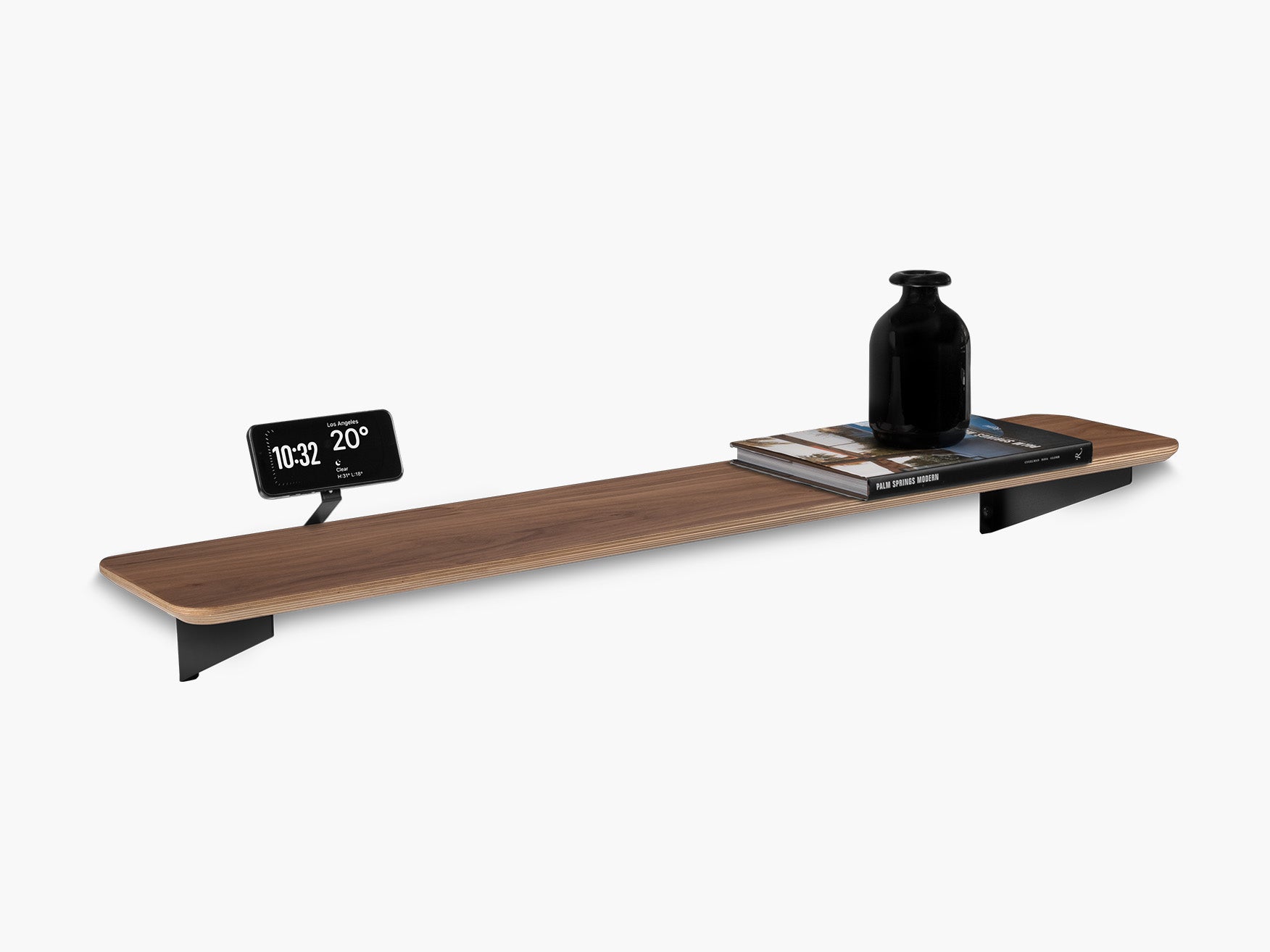
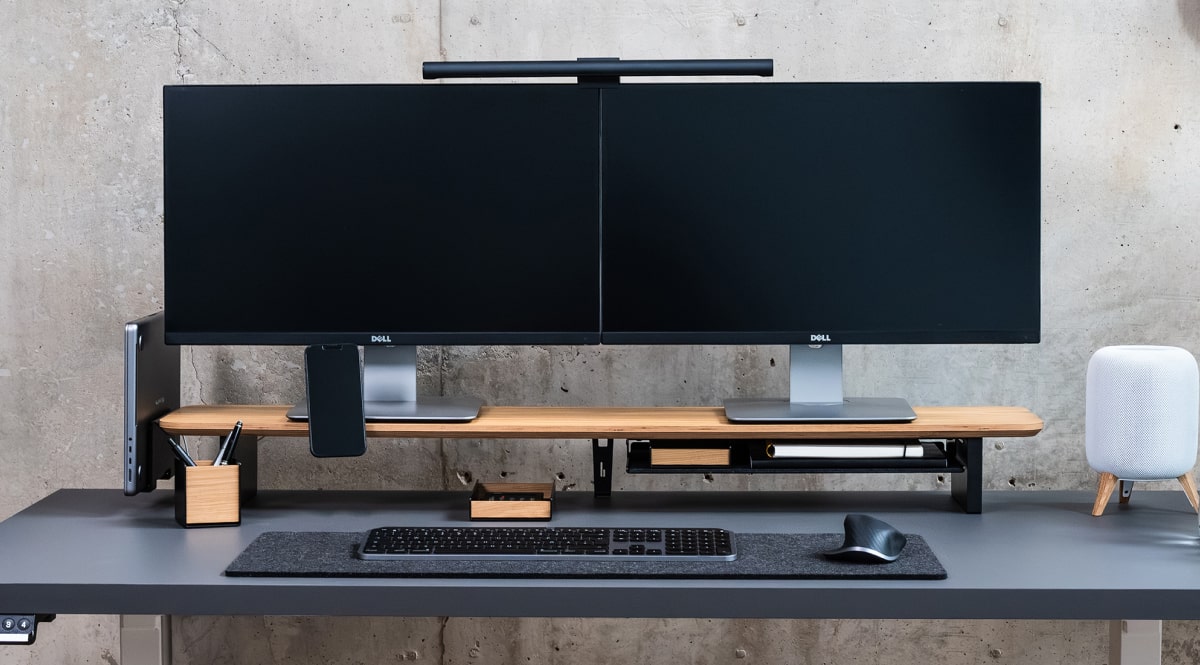
A monitor shelf creates an additional visual level within the desk setup. Placing a small plant on this raised surface can add depth while preserving more of the main desktop. Keep the arrangement restrained so that the monitor shelf remains functional.
4. Near a window
Plants that need brighter conditions can be positioned closer to a window, provided the location suits the individual species. Do not choose a spot based on appearance alone. A visually perfect corner is not useful when the plant receives insufficient light.
5. In the background of video calls
A well-placed plant can also improve the background of video meetings. Instead of filling the frame with decorative objects, use one or two natural elements to create a calm, intentional backdrop.
How to Style Plants in a Minimalist Home Office
Minimalism does not mean removing every personal detail. It means choosing details deliberately. A plant can become one of the strongest decorative elements in a minimalist workspace because it provides color and texture without requiring several separate objects.
Use one plant as a focal point
Start with one plant rather than creating a collection immediately. A single, well-positioned plant has more visual impact than several small pots scattered across the desk. It also makes the workspace easier to clean and maintain.
Repeat existing materials
Look at the materials already present in your home office setup. Does the desk use walnut, oak, black metal or light neutral surfaces? Choosing a planter that repeats one of these materials creates a more coherent visual composition.
This is one reason wood works especially well in contemporary desk setups. It can connect the greenery with the desk surface, monitor stand and other workspace accessories.
Keep the color palette controlled
The plant already introduces green into the space. The planter does not need to introduce another competing color. Neutral materials such as wood, black steel, stone or ceramic allow the leaves to remain the main visual element.
Protect the primary work zone
Your keyboard, mouse and notebook need space. Place plants outside the area where your hands move throughout the day. A beautiful workspace should still be efficient.
Integrating the BALOLO Planter Into Your Setup
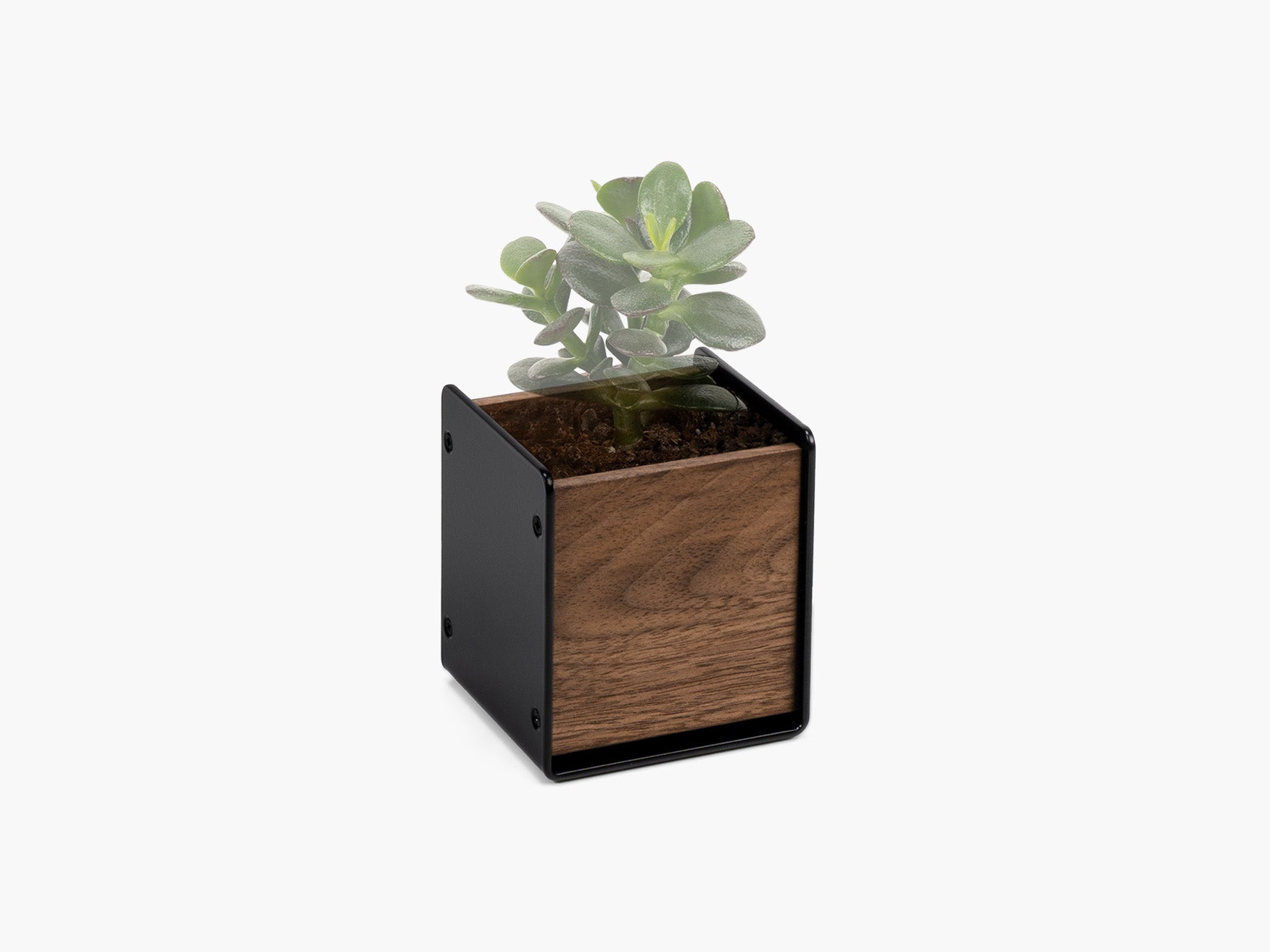
At BALOLO, we offer the Planter as a compact way to introduce nature into an organized workspace.
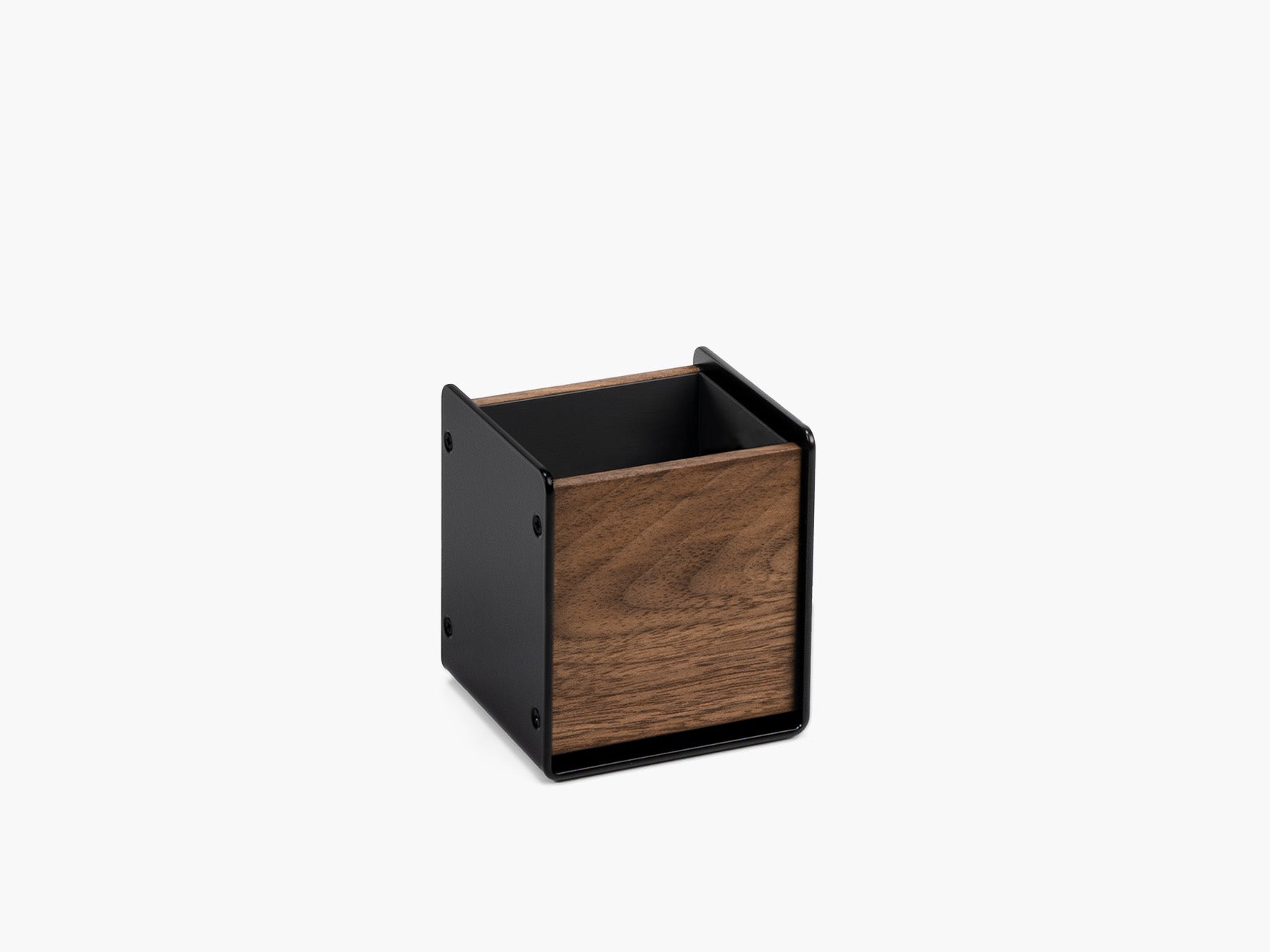
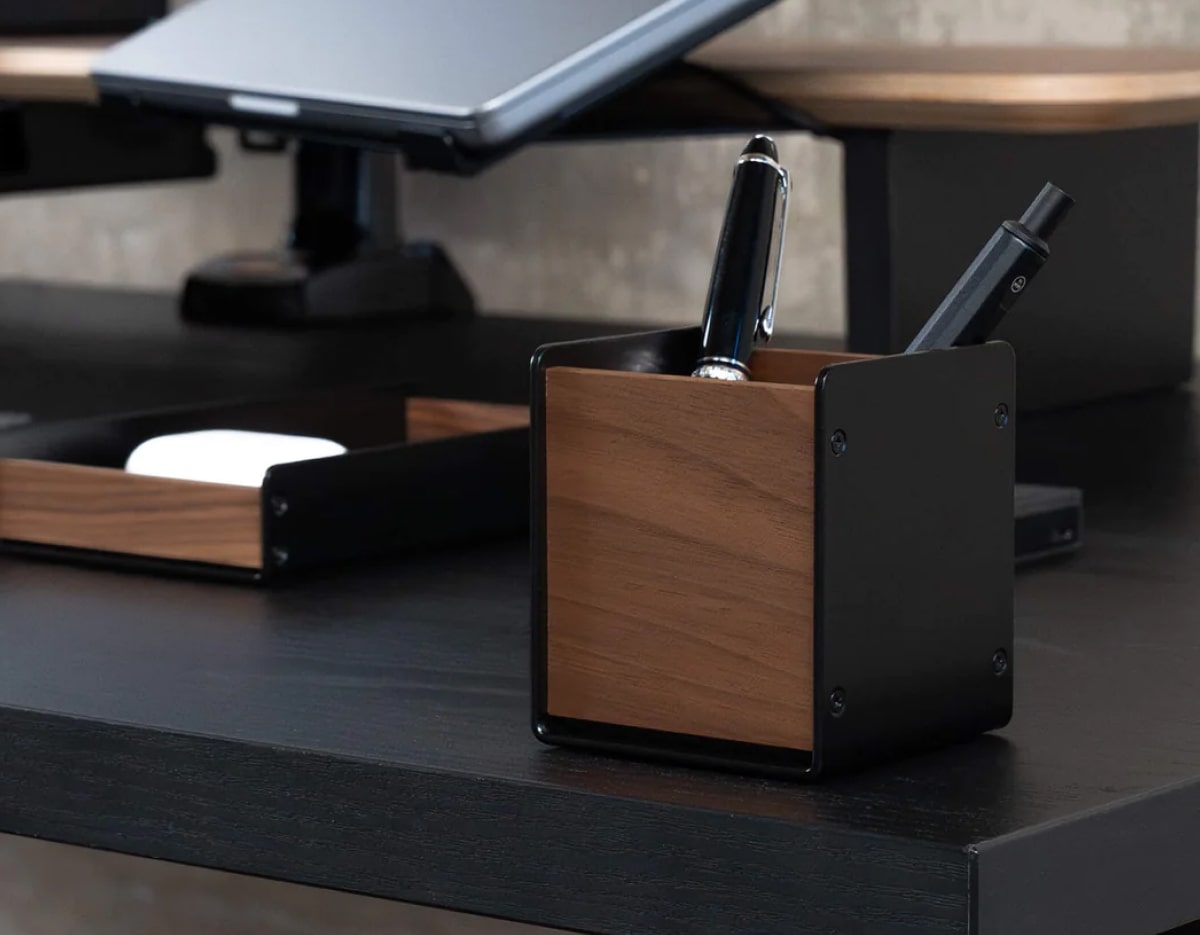
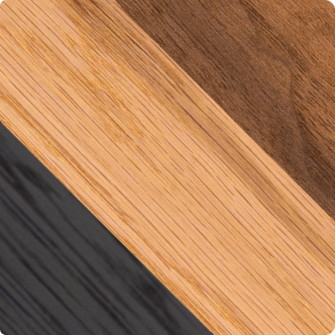
The Planter combines American walnut, oak or black-stained oak with powder-coated steel. It includes a removable plant insert for easier repotting and is available in three finishes. The combination of wood, steel and greenery allows the Planter to connect natural and technical elements within the same desk setup.
All the details on the Planter
| Material | American walnut, oak or black-stained oak, powder-coated steel, vegan felt, cork |
| Dimensions | 7 x 7 x 8.2 cm (2.7 x 2.7 x 3.2 in) |
| Weight | 280 g (9.87 oz) |
| Finishes | American Walnut, Oak, All Black |
| Highlight | Removable plant insert for easy repotting, manufactured in Germany |
American walnut for warm desk setups
The American walnut version works particularly well with warm, darker woods. Pair it with:
- A walnut desk or monitor shelf
- Black accessories
- Warm ambient lighting
- Neutral grey or beige textiles
The deep wood tone creates a refined contrast with bright green leaves.
Oak for light and Scandinavian-inspired setups
Oak is a suitable choice for bright, minimal workspaces. It complements white or light-grey desks, silver technology, neutral accessories and soft natural lighting. The result feels light, calm and approachable.
All Black for dark desk setups
The All Black finish fits monochrome, technology-focused and gaming-inspired workspaces. It can create a subtle transition between black monitors, speakers and the Cable Management System while allowing the plant itself to provide the main color accent. If you're still deciding between a dark or light desk setup, that comparison is a good place to start.

A Simple Plant-Care Routine for Busy Workdays
The best plant-care routine is one that you can maintain consistently. Complicated routines often lead to either forgetting the plant or paying too much attention to it. A few simple habits are usually more effective.
Check the soil before watering
Do not water a plant only because a particular day has arrived. Check whether the soil actually needs moisture. The correct frequency depends on the plant, season, temperature, light and pot size.
Avoid water near electronics
Remove the inner container or move the planter away from sensitive equipment before watering. Allow excess moisture to drain before returning the plant to the desk. The removable insert in the BALOLO Planter is intended to make handling and repotting easier.
Do not overwater
More water does not automatically mean better care. The US Environmental Protection Agency notes that overly damp potting soil can encourage microorganism growth, which may affect people with allergies.
Rotate the plant occasionally
If the plant receives light primarily from one direction, occasional rotation can help it maintain a more balanced appearance. This also gives you a natural opportunity to inspect the leaves and soil.
Can Home Office Plants Clean the Air?
Houseplants can absorb certain substances in sealed laboratory environments. However, a normal number of passive potted plants does not remove meaningful quantities of indoor pollutants under typical home or office conditions.
A scientific review concluded that achieving pollutant removal comparable to normal building air exchange would require an unrealistic density of plants. The EPA similarly states that there is no evidence that a reasonable number of houseplants removes significant quantities of pollutants in homes and offices.
Plants should therefore be selected for their aesthetic, emotional and biophilic value, not as a substitute for opening windows, maintaining ventilation or using appropriate filtration.

Create a Workspace That Feels Alive
A well-designed home office balances functionality, organization and personality. Plants bring softness to technical equipment, add natural color to minimalist interiors and help the workspace feel less temporary.
The most effective approach is not to cover every surface with greenery. It is to choose one plant that suits the available light and give it a deliberate place in the setup.
At BALOLO, we believe that functional workspace accessories should also contribute to the visual identity of the desk. The Planter brings wood, steel and greenery together in one compact object, making it easier to integrate nature into a clean and intentional home office setup - our guide to desk accessories for better organization covers more of these finishing touches.
Frequently Asked Questions
Are plants good for a home office?
Plants can make a home office feel more welcoming, natural and visually balanced. Research also suggests that indoor greenery may support wellbeing, stress reduction and satisfaction with the workspace, although individual results vary.
What is the best plant for a dark home office?
ZZ plants, snake plants and Chinese evergreen are commonly recommended for lower-light indoor environments. No plant can live without light, so the exact position and available daylight still matter.
Which plants are suitable for a small desk?
Compact peperomia varieties, small succulents and young foliage plants can work well on limited desk surfaces. Choose a plant that will not obstruct the monitor or working area.
How many plants should a home office have?
There is no universal number. For a minimalist desk setup, one compact plant on the desk and one larger plant elsewhere in the room are often enough to create a clear visual effect without adding clutter.
Do plants improve productivity?
Some research has found positive relationships between greener offices and concentration, workplace satisfaction or performance. These findings do not mean that every plant will automatically make every person more productive. Plants are best considered one element of a comfortable and thoughtfully designed workspace.
Can houseplants purify home office air?
Not to a meaningful degree under normal real-world conditions. Ventilation, source control and appropriate filtration are more effective approaches to indoor air quality.